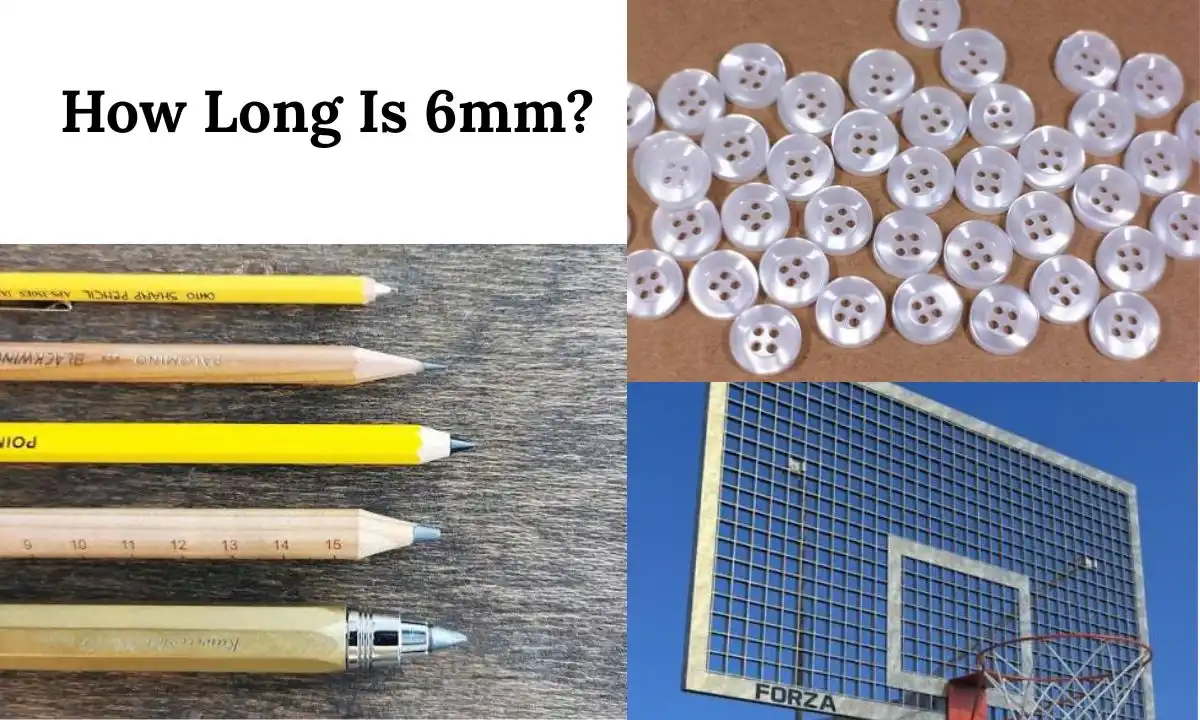
If you have ever stared at a tiny screw or a small bead and wondered how long is 6mm really, you are not alone. Millimeters are hard to picture in your head. Most of us do not carry a ruler around, so a number like 6mm does not mean much until you compare it to something you already know.
This guide answers how long is 6mm in the simplest way possible, using everyday objects you probably already own. By the end, you will know exactly what 6mm looks like, how it compares to inches and centimeters, and how to estimate it without any tools at all.
Whether you are shopping for jewelry, fixing furniture, working on a craft project, or just curious, this article covers everything you need. We will walk through ten common things that are about 6mm long, show you how to measure 6mm without a ruler, and answer the most common questions people search for.
How Big Is 6mm?
So how long is 6mm exactly? It equals about 0.24 inches, which is just a touch smaller than a quarter of an inch. In centimeters, 6mm comes out to 0.6 centimeters, and in meters it is 0.006m.
That might still sound abstract, so here is a simple way to think about it. How big is 6mm compared to a coin? It is roughly the thickness of two stacked pennies, or about the width of a fresh green pea. It sits right in the middle between tiny and small, big enough to see clearly but small enough to fit on your fingertip.
People often ask how long is 6mm in inches because most rulers in the United States show inches first. The short answer is 0.24 inches. It helps to remember that four 6mm segments add up to just under one full inch, which gives you a quick mental shortcut anytime you need it.
Understanding this 6mm measurement matters more than people expect. Jewelry sizing, screw sizing, cable width, and even craft foam thickness all rely on millimeter precision. Once you understand how long is 6mm, these product listings suddenly make a lot more sense.
Quick Comparison Table
Here is a table that answers how long is 6mm using different units and simple visual comparisons. This is the fastest way to understand 6mm size at a glance.
| Unit or Object | Approximate Value |
| Inches | 0.24 in |
| Centimeters | 0.6 cm |
| Meters | 0.006 m |
| Green pea | About the same width |
| Two stacked pennies | About the same thickness |
| Pencil eraser | Slightly narrower |
| Standard drinking straw | Close in diameter |
This table gives you a fast reference whenever you need to answer how long is 6mm without pulling out a calculator. Bookmark it if you shop online often, since product pages rarely explain sizes in a way that actually helps.
How to Measure 6mm Without a Ruler
You do not need a ruler to get a good estimate of 6mm. There are a few simple tricks that work almost anywhere, and they are useful the next time someone asks you how long is 6mm on the spot.
These methods will not replace a proper measuring tool for precise work, but they are perfectly fine for quick estimates. Let us go through the three easiest ways to do this.
Using Your Fingers
Your own hand is a surprisingly good measuring tool once you know the numbers. The width of an adult little fingernail, measured near the tip, is usually close to 1 centimeter. Half of that width lands you right around 6mm.
This trick is handy because your fingers are always with you. Next time you wonder how long is 6mm and there is no ruler nearby, just glance at your pinky nail and picture half of it. It will not be perfectly accurate, but it gets you close enough for most everyday needs.
Using Common Objects
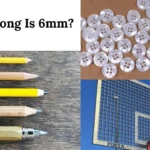
Everyday objects are one of the easiest ways to estimate small measurements like this one. A green pea, a small button, or the tip of a crayon are all close to 6mm wide, and most homes already have at least one of these lying around.
This is really the heart of understanding how long is 6mm. Instead of memorizing a number, you build a mental picture using things you already recognize. Once that picture is in your head, you will start noticing 6mm sized objects everywhere.
Using Coins or Cards
Coins and cards offer another reliable comparison point. A single credit card is about 0.76mm thick, so stacking roughly eight cards together gets you close to 6mm.
You can also compare 6mm to the thickness of a stack of coins, or the width of a small paperclip. These household comparisons make it much easier to answer how long is 6mm the next time you need a fast, tool free estimate.
1. Green Pea
A fresh green pea is one of the simplest answers to how long is 6mm. Most peas fall somewhere between 6 and 8mm across, which puts a smaller pea almost exactly at this size.
Since peas show up in kitchens everywhere, this comparison works for almost anyone. Hold one between two fingers and you have a live, natural example of what does 6mm look like without needing anything else.
Peas are round, which actually makes them a great reference for diameter based measurements. Many small beads and jewelry stones are sized the same way, so once you picture a pea, you are also picturing the general size of a small jewelry bead.
2. Pencil Eraser Width
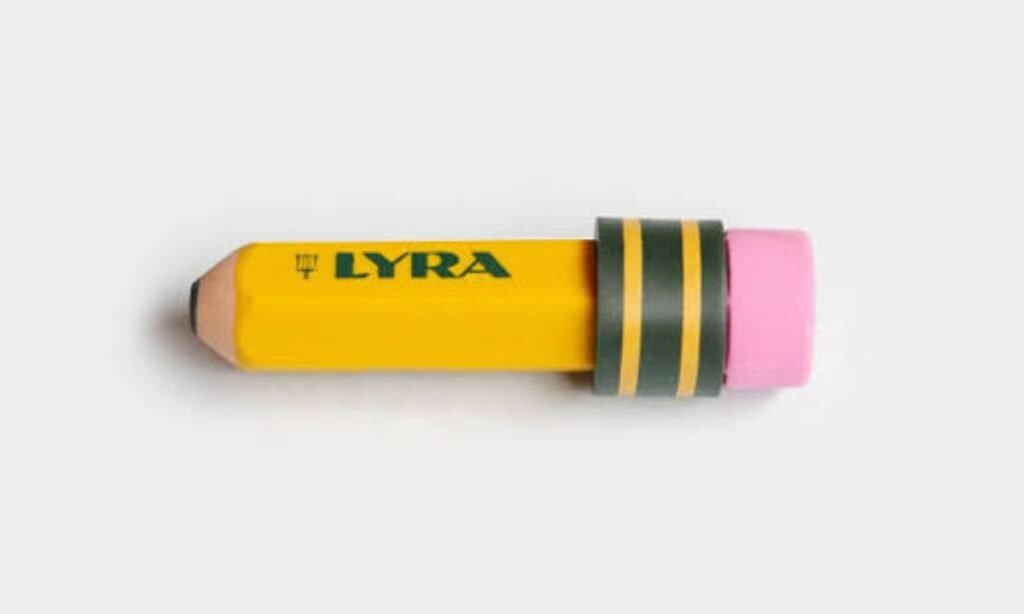
The eraser on a standard pencil offers another solid answer to how long is 6mm. Most pencil erasers measure somewhere close to this width, especially the small caps found on the ends of wooden pencils.
Since almost everyone has handled a pencil, this comparison is instantly relatable. It gives students, parents, and office workers an easy mental image whenever they come across a 6mm diameter listed online.
A pencil eraser also shows how a measurement this small can still be practical. It is wide enough to erase a line cleanly, which proves that 6mm sized objects are not too tiny to actually do useful work.
3. Small Pearl Bead
Many jewelry makers use 6mm pearl beads because the size looks balanced without feeling heavy. If you have ever shopped for jewelry beads online, you have almost certainly seen this exact measurement listed.
This bead size answers how long is 6mm in a way that feels elegant rather than purely technical. It is large enough to notice on a bracelet, yet small enough to remain comfortable for everyday wear.
Bead diameter matters a lot in design work. A 6mm bead diameter threads easily onto wire or string, which is one reason it shows up so often in beginner jewelry kits and DIY projects.
4. Standard Drinking Straw Width
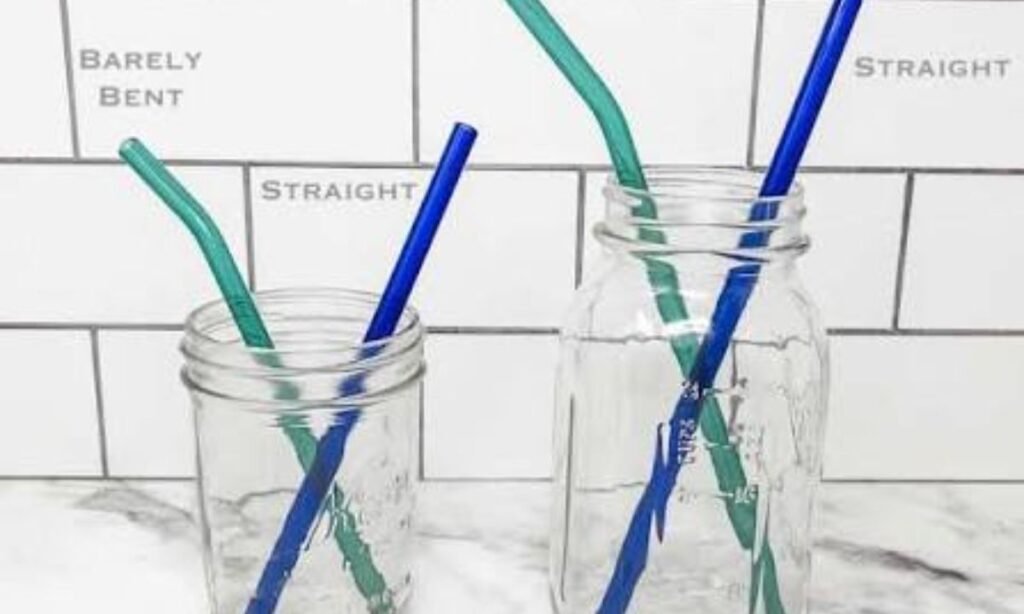
Some drinking straws have an inner diameter close to 6mm, which gives you another familiar object to picture. This comparison works well because straws are something almost everyone has used recently.
It helps explain how long is 6mm in terms of function rather than just size. A narrow opening like this still lets liquid flow through smoothly, which shows that small measurements can still be highly practical.
Cable makers and tube manufacturers often use similar widths for the same reason. Once you picture the straw, you also get a rough sense of typical cable diameter sizing used in electronics and tubing.
Also, read this blog: How Long Is 3mm?
5. Small Button Thickness
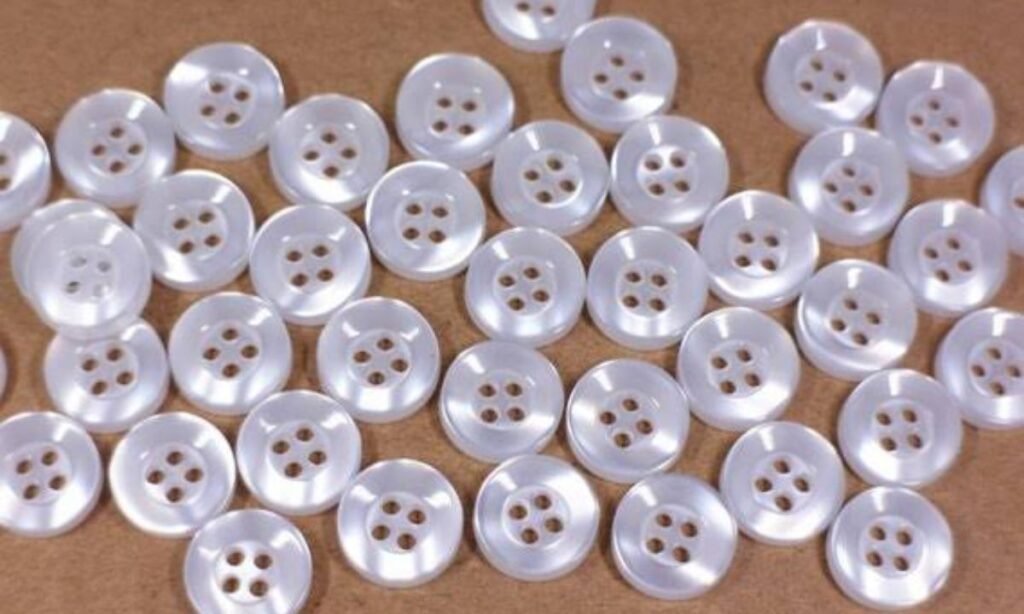
Small shirt buttons, especially the kind found on lightweight fabric or children’s clothing, often measure close to 6mm thick. This gives another clear example of what does 6mm look like in daily life.
Button thickness matters more than people realize. A button this size is easy to sew through, yet strong enough to hold fabric together securely, which shows how useful a small measurement like this can be.
Tailors rely on precise small hardware sizing constantly. Even a slight change in button thickness can affect how a garment fits or drapes, so understanding how long is 6mm actually helps in sewing and clothing design too.
6. Earphone Cable Diameter
Thicker charging cables and some earphone cords measure close to 6mm across, especially models built with extra protective coating. This gives a modern, tech friendly example of how long is 6mm.
A cable this thick feels sturdy without being bulky in your bag or pocket. It shows how cable diameter sizing balances flexibility with durability, something manufacturers think about carefully during design.
This example is useful because most people handle cables daily. Picturing a slightly thick charging cord gives you an instant, practical answer whenever someone asks how long is 6mm for electronic parts.
7. Small Screw Head
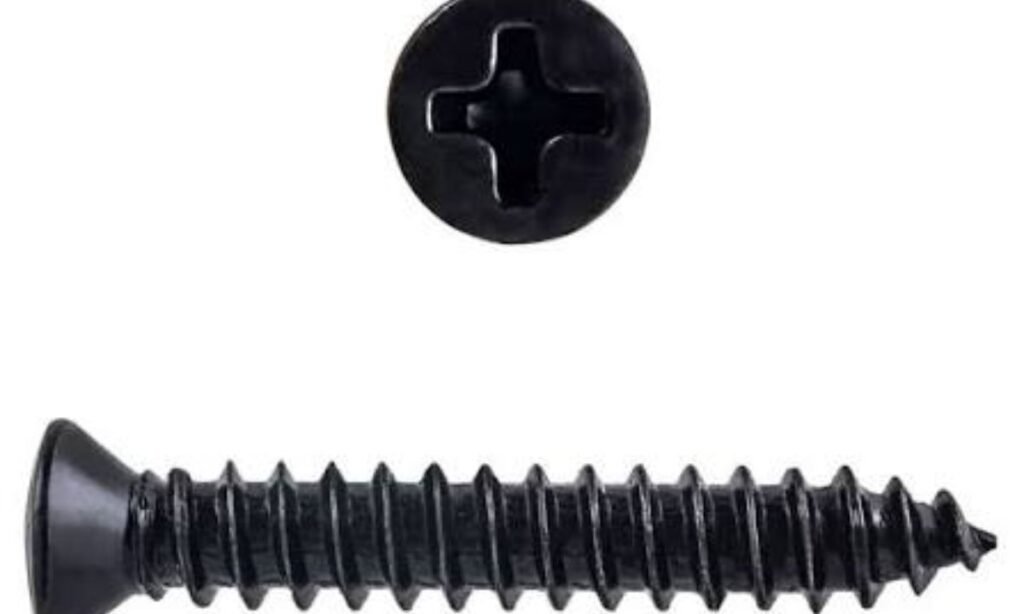
Small screw heads used in furniture, toys, and electronics are frequently close to 6mm wide. This makes hardware one of the most practical, real world answers to how long is 6mm.
Builders and DIY fans often work with millimeters instead of inches for exactly this reason. Even a slightly wrong screw size can mean the difference between a screw that fits and one that strips the hole.
This comparison also shows why small hardware relies so heavily on accurate sizing. A 6mm screw head is small enough to sit flush against most materials, yet strong enough to hold real weight in place.
8. Craft Foam Thickness
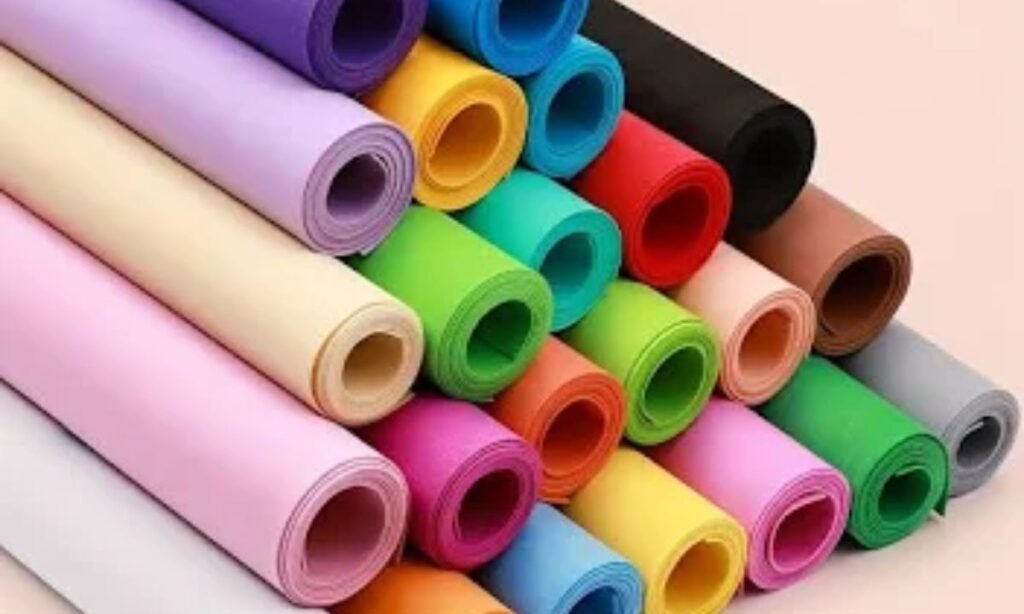
Craft foam sheets sometimes come in a 6mm thickness, which is popular for school projects, signs, and costume pieces. This gives crafters a clear, hands on answer to how long is 6mm.
Foam thickness at this level feels sturdy without becoming too heavy to cut or shape easily. It holds its form well, which is exactly why hobbyists reach for this size so often in craft supplies aisles.
If you are shopping for foam online, knowing how long is 6mm in real terms helps you avoid ordering something too thin or too bulky for your project. A quick mental comparison saves a return trip to the store.
9. Tiny Marble
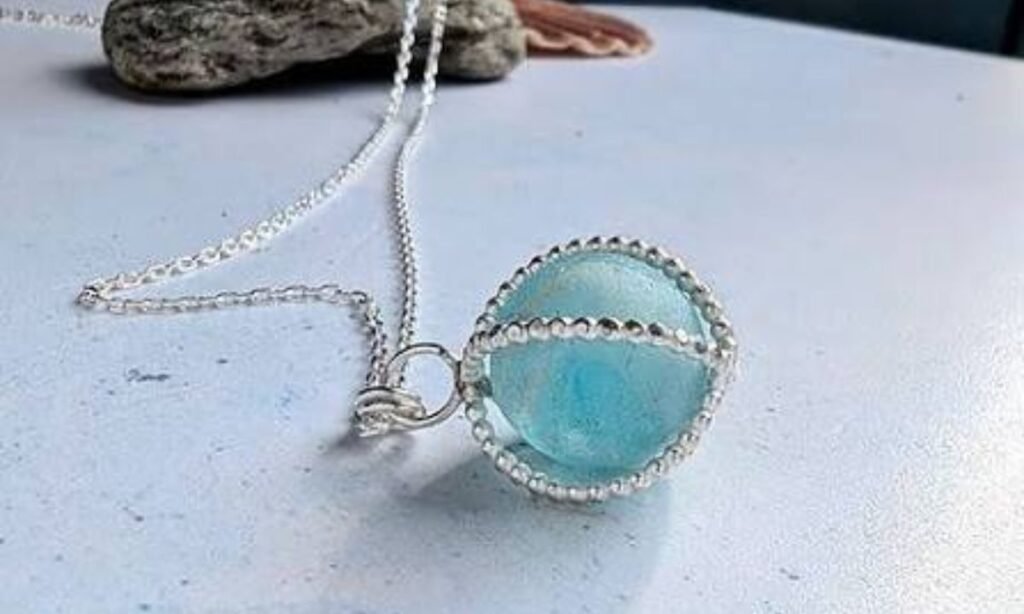
Mini marbles, often used in vase fillers or small craft decorations, frequently measure close to 6mm across. This gives another round object to help you picture how long is 6mm in three dimensions.
These marbles are noticeably smaller than the classic marbles many of us played with as kids. Holding one on your fingertip is a quick, fun way to visualize the scale of a small object like this.
Because marbles are so familiar, this comparison sticks in memory easily. It is one of the simplest visual measurement tricks for anyone trying to picture small, round everyday objects 6mm in size.
10. A Standard Pencil Lead, About 6mm Thick
Here is one comparison many articles skip. Some thicker mechanical pencil leads and certain drawing pencil cores measure close to 6mm across, especially in leads made for sketching or carpentry work.
This example is useful because it shows how long is 6mm applies even inside tools we use daily without thinking. A carpenter pencil, for instance, often has a wide flat lead built for durability, and its thickness lands right around this size.
Artists who work with charcoal or graphite sticks also deal with similar dimensions. Knowing how long is 6mm helps when picking replacement leads or comparing drawing tools that list their size in millimeters instead of inches.
Why Millimeter Precision Matters More Than You Think
Millimeters might seem like an overly precise unit for everyday life, but small measurements like this affect more than most people realize. From clothing buttons to electronics, a shift of even one or two millimeters can change how well something fits or works.
This is exactly why understanding how long is 6mm is worth the two minutes it takes to read this guide. Once the comparison sticks in your head, you will start estimating other small object measurements just as easily, without needing a ruler every time.
Manufacturers rely on this level of detail constantly. Screw size, bead diameter, and foam thickness are all decided down to the millimeter, which is why product listings lean so heavily on unit conversion charts and size guides.
Conclusion
At this point, you should have a clear answer to how long is 6mm and a handful of real objects to picture whenever the number comes up again. From a green pea to a small screw head, these real life 6mm examples turn an abstract number into something you can actually see and touch.
The next time you are shopping online, working on a craft project, or fixing something around the house, you will not need to guess. You now know how long is 6mm looks and feels, and you have simple tricks to estimate it anytime a ruler is not within reach.
Small measurements like this show up more often than people expect, and now you are ready for them. Keep this guide handy, and 6mm will never feel like a mystery number again.

Zayn is a passionate writer with over 4 years of experience creating engaging and informative content.
With a love for exploring ideas and topics, Zayn focuses on making every piece clear, creative, and valuable.