If you have ever stared at a product listing and wondered how big is 4 inches really, you are not alone. Numbers on a screen do not always mean much until you connect them to something you can picture. That is exactly what this guide does.
So, how long is 4 inches? In simple terms, 4 inches equals 10.16 centimeters, 101.6 millimeters, and 0.33 feet. That is about 0.102 meters, or a little bigger than the width of your palm. On its own, that number can still feel a bit abstract, which is why the best way to answer how long is 4 inches is to compare it to things you already touch every day.
In this article, we will walk through 15 everyday objects that are close to 4 inches long. Each one gives you a fast, no ruler required way to judge size. By the end, you will never have to guess how long is 4 inches again.
How Big Is 4 Inches?
Let’s answer the core question first. How long is 4 inches? It is exactly one third of a foot, which makes it a handy fraction to remember when you are eyeing something small. In the metric system, this 4 inch measurement works out to 10.16 centimeters.
Picture the short side of a standard smartphone, or the length of a large paperclip once you pull it straight. That is roughly the range we are talking about. It is small enough to fit in your palm, yet large enough to notice right away.
People usually ask how long is 4 inches when they are shopping online, checking product dimensions, or trying to fit something into a tight space. Having a mental list of objects that are 4 inches saves you from digging out a ruler every single time.
4 Inches Conversion Chart
Sometimes a quick table beats a paragraph. Here is the 4 inch size broken down into every common unit, so you have a fast answer no matter what system you are working in.
| Unit | Value |
| Centimeters | 10.16 cm |
| Millimeters | 101.6 mm |
| Feet | 0.33 ft |
| Meters | 0.102 m |
Bookmark this table. Any time you ask yourself how long is 4 inches in another unit, you can come right back to it instead of running a fresh search.
1. Credit Card Length
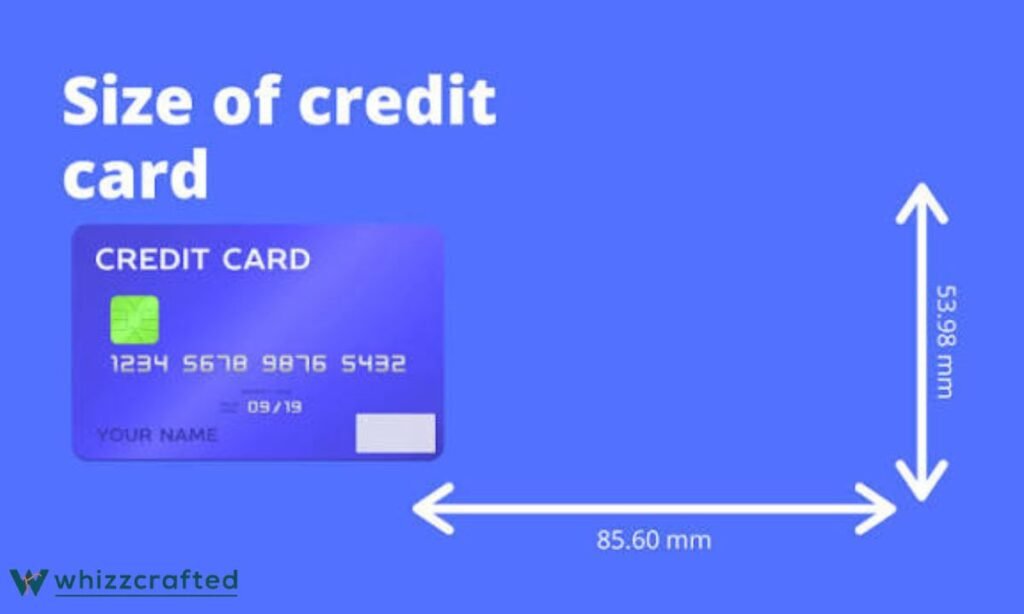
A credit card is one of the closest everyday matches for this measurement, though it is not perfect. A standard card measures about 3.37 inches long, so it sits just under the full 4 inch mark.
Add roughly a fingertip’s width to the end of the card and you land almost exactly on how long is 4 inches. Because nearly everyone carries a card in their wallet, this comparison works well when you need a fast gut check.
This trick comes in handy during online shopping. If a listing says an item is 4 inches, hold your card next to your screen or the actual product, and you will get a fairly accurate read without touching a tape measure.
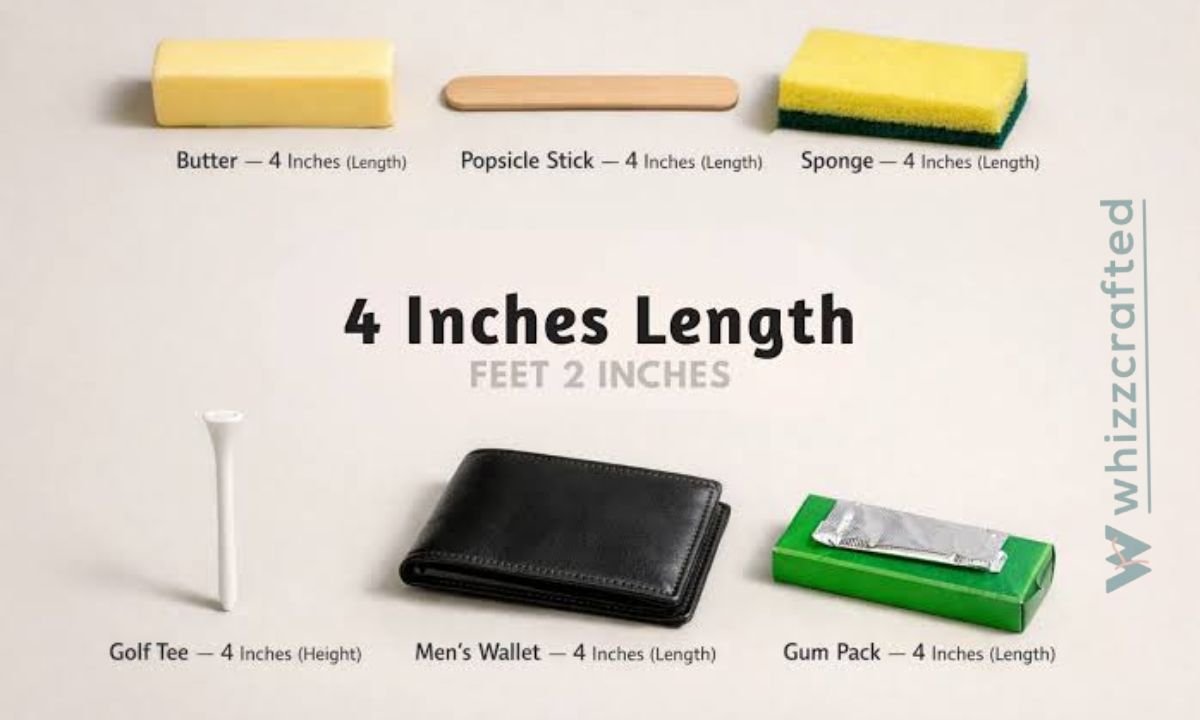
2. Standard Golf Tee
A standard golf tee gives you a fairly close, real world sense of how long is 4 inches, since many tees used for driver shots land in that general range. Shorter tees made for irons are smaller, so the length can vary depending on the type you pick up.
The slim, straight shape of a tee makes it easy to compare against other small objects. You do not need perfect lighting or a steady hand to notice its full length at a glance.
Even if you have never swung a club, tees show up in garages, junk drawers, and sporting goods aisles constantly. Keeping one in mind gives you a simple, portable reference for this 4 inch length.
3. Width of an Adult Palm
The adult palm, measured across the width without including the thumb, lands close to 4 inches for a lot of people. Hand size naturally varies from person to person, so treat this as a helpful estimate rather than an exact rule.
Because your hand is always with you, this is probably the fastest way to judge how long is 4 inches when you have no tools nearby. Just lay your palm flat against the object and compare.
This method works great for quick spacing decisions, like figuring out if a picture frame will fit on a shelf. It will not replace a ruler for precise work, but for casual size estimation, it gets the job done.
4. Small Smartphone Screen
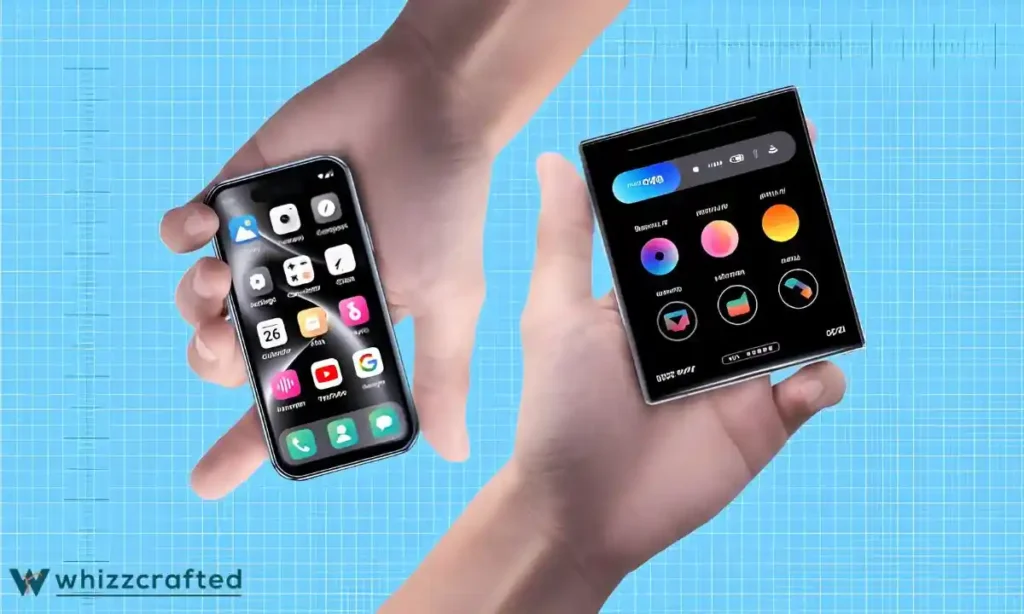
Older, compact smartphone screens, measured diagonally from corner to corner, often land close to the 4 inch range. These models were built for one handed use, back before screens grew as large as they are today.
If you remember a phone that never made your thumb stretch to reach the top corner, you already have a solid mental image of how long is 4 inches. That comfortable, pocket friendly size is the exact reference we are pointing to here.
This comparison is especially useful for anyone shopping for small electronics, cases, or mounts, since a lot of compact tools and accessories are built around that same rough footprint.
5. Half a Stick of Butter
In the United States, a full stick of butter measures 8 inches, which means half a stick lands right at 4 inches. Most wrappers even print measurement lines along the side, so this one is refreshingly exact.
Bakers already understand this one instinctively, since recipes constantly call for cutting a stick in half. If you cook even occasionally, you already carry a built in answer to how long is 4 inches sitting in your fridge.
Next time a recipe asks for half a stick, take a second to notice the length before you use it. It is a small habit that quietly reinforces your sense of scale.
6. Larger USB Flash Drive
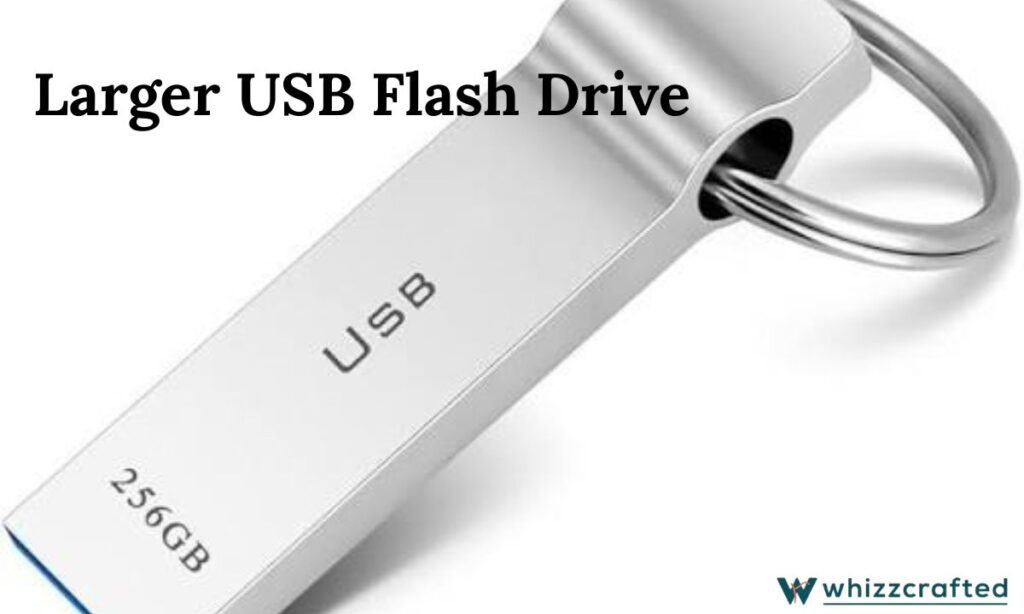
Not every USB flash drive is tiny. Some of the longer, older style drives stretch close to 4 inches from the connector to the far end, especially models with a cap or a swivel design.
The rigid, rectangular shape of a flash drive makes it simple to line up next to other objects for comparison. There is no bend or curve to throw off your judgment.
Since flash drives show up in almost every office, classroom, and junk drawer, this is a familiar and convenient way to answer how long is 4 inches without needing anything fancy.
7. Pocket Comb
A pocket comb is built to be portable, and that usually means a length close to 4 inches. Anything longer would stop fitting comfortably into a pocket or a small bag.
The narrow, flat shape makes the full length obvious at a glance, with no guesswork about where it starts or ends. If you have ever carried a folding travel comb, you already know this size by feel.
This is a great reference for judging other slim, flat objects, like pens, small tools, or thin electronics, whenever you are asking yourself how long is 4 inches.
8. Standard Crayon
A brand new, unused standard crayon typically measures somewhere between 3.6 and 4 inches, depending on the brand. Once it has been used a few times, of course, that length shrinks.
Crayons are about as familiar as objects get, since most of us have handled one since childhood. That built in familiarity makes them a genuinely useful, no effort comparison tool.
Next time you spot a fresh box of crayons, take one out and hold it up. It is a simple, hands on way to lock in how long is 4 inches for good.
9. Large Paperclip When Straightened
A large paperclip, once you bend it completely straight, measures close to 4 inches end to end. Bent into its normal shape, it looks far smaller than it actually is.
This example is a good reminder that shape changes how we judge length. Something coiled or bent will always look shorter than its true measurement.
If you want a quick demonstration of how long is 4 inches, grab a paperclip from your desk and straighten it out. Seeing the transformation in real time makes the length stick in your memory.
10. Central Control Section of a TV Remote
The main navigation area on a TV remote, where the directional buttons and center select button sit, often measures close to 4 inches from top to bottom. This section is designed to sit comfortably under your thumb.
Because remotes are built with ergonomics in mind, this portion naturally lands in a size range that feels easy to hold and use. That is not an accident.
Next time you pick up the remote, glance at just that control cluster. It is a surprisingly reliable, always available reference for how long is 4 inches.
11. Short Side of a Pocket Notepad
Many small pocket notepad designs measure about 4 inches across the shorter side. These pads are built to slide easily into a coat pocket or a bag without adding bulk.
The flat shape and straight edges make this an easy one to compare visually, especially against other small paper goods like envelopes, index cards, or sticky note pads.
If you keep a notepad on your desk, flip it sideways and take a look. That short edge is a handy, always nearby answer to how long is 4 inches.
12. Teaspoon Handle
The handle of a standard teaspoon handle, measured from the tip to where the bowl begins, usually comes out to around 4 inches. That length is what makes the spoon comfortable to hold while stirring or serving.
Since teaspoons show up in nearly every kitchen drawer, this comparison is about as accessible as they come. No searching required.
Next time you are stirring your coffee, take a second to notice the handle length. It is a small, everyday reminder of how long is 4 inches.
13. Matchbox Length
A traditional matchbox measures roughly 4 inches from end to end. The compact, rectangular design is meant to hold matches securely while staying easy to carry in a pocket or drawer.
Its straight, simple shape makes the full length obvious without needing to squint or guess. There is no odd curve or taper to account for.
If you have one lying around a junk drawer, it is worth pulling out just to feel how long is 4 inches actually looks in a rigid, boxy object.
14. Soda Can Height
A standard soda can stands about 4.8 inches tall, which makes it a little taller than the full 4 inch mark rather than an exact match. It is still a useful comparison because almost everyone has one within reach.
To picture the true length, imagine trimming a thin slice off the top of the can. What remains gives you a fairly close visual for how long is 4 inches.
This one works well for quick estimates when you do not need pinpoint accuracy, like judging whether something will fit on a shelf or in a cup holder.
15. Four Inch Ruler Segment
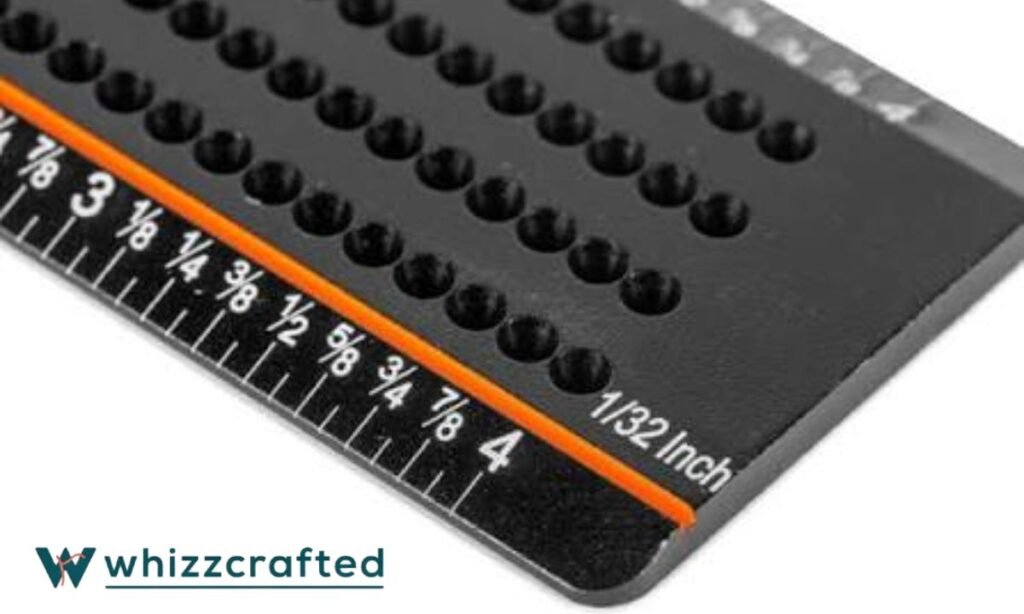
Of course, the most direct way to see this measurement is on a ruler itself. Look at the segment between the zero mark and the number four, and you are looking at exactly how long is 4 inches, no approximation needed.
Most standard rulers are 12 inches long, so a 4 inch segment covers exactly one third of the total length. That lines up perfectly with the one third of a foot comparison from earlier in this guide.
If you want a completely accurate picture, this is the one comparison on the list with zero guesswork involved. Every other item here is an estimate. This one is the real thing.
How to Measure 4 Inches Without a Ruler
Sometimes you need a quick measurement, and a tape measure is nowhere in sight. In that case, combining two or three of the objects above gives you a far more accurate measurement than relying on just one.
For example, pair the width of your palm with a straightened paperclip. If both estimates land close together, you can trust the result with more confidence than guessing blindly.
This kind of layered visual reference is especially useful while shopping in a store, packing a bag, or checking whether household items will fit somewhere specific before you buy them.
Conclusion
At this point, you have 15 different, real world ways to answer how long is 4 inches, from the card in your wallet to the ruler in your desk drawer. Between everyday measurements, common size comparison tricks, and a few kitchen and office items you already own, you should never be stuck guessing again.
The next time a product listing or a recipe mentions this 4 inch measurement, you will have an instant mental picture instead of a blank stare at a number. That is really the whole point of connecting measurements to familiar objects in the first place.
Keep this list handy, and how long is 4 inches will turn from a confusing question into something you can answer without even reaching for a tape measure.

Zayn is a passionate writer with over 4 years of experience creating engaging and informative content.
With a love for exploring ideas and topics, Zayn focuses on making every piece clear, creative, and valuable.