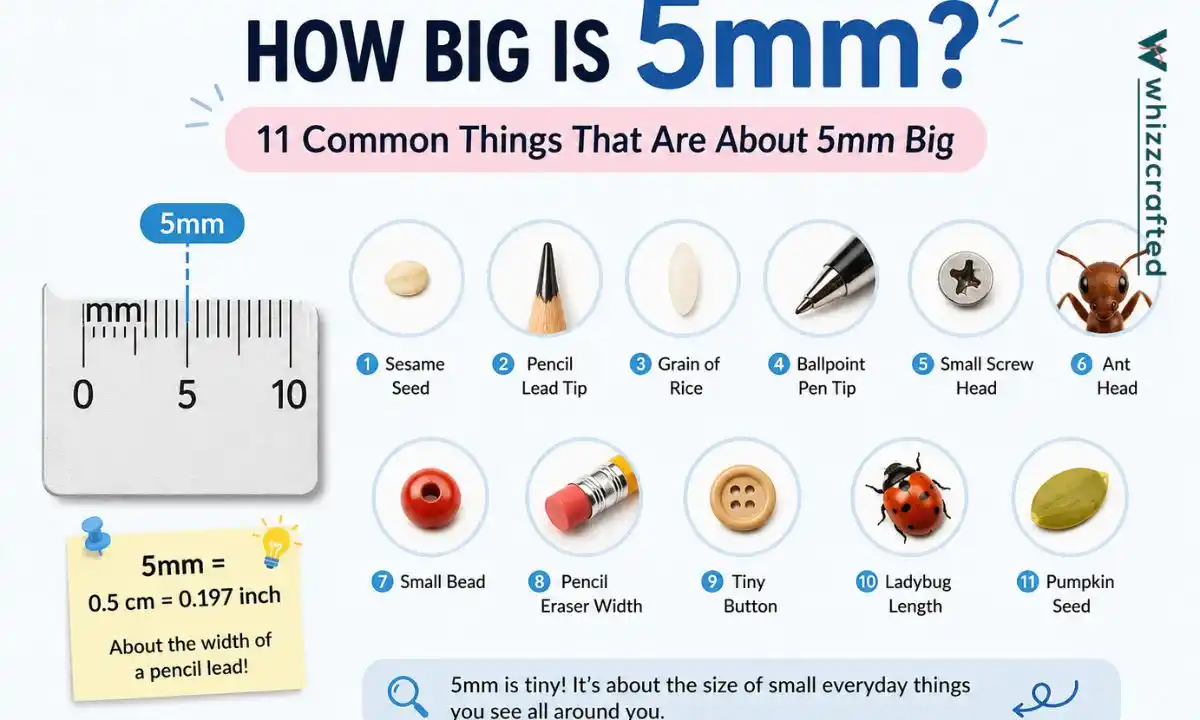
How Big Is 5mm? Five millimeters equals about 0.5 centimeters, or close to 0.197 inches. On a standard ruler, it sits right at the halfway mark between 0 and 1 centimeter. It is a small measurement, but it is easy to spot once you know where to look.
So how big is 5mm really, in a way you can picture without staring at numbers? Think of a small green pea, a tiny button, or the tip of a pencil eraser. Once you see it next to something familiar, the size clicks right away. In this guide, you will find eleven everyday objects that show exactly how big is 5mm in real life.
How Big Is 5mm?
If you have ever asked yourself how big is 5mm, here is the short answer. Five millimeters equals about 0.5 centimeters or roughly 0.197 inches. That puts it right around the size of a small pea or a tiny bead.
Most people do not carry a 5mm ruler measurement in their head, so numbers alone do not help much. You need something real to compare it to. That is exactly what this guide is for.
Once you see a few 5mm real life examples, the size clicks right away. You will start noticing 5mm items everywhere, from your junk drawer to your jewelry box.
This article covers every angle of the topic. We will look at 5mm objects you already own, show you how to estimate the size without any tools, and answer the questions people search for most when they wonder how big is 5mm.
How to Estimate 5mm Without a Ruler
You do not need a tape measure to figure out how big is 5mm. Your fingers, a few coins, and some household items can get you close enough for most everyday tasks.
This trick works for DIY projects, quick online shopping checks, or just settling an argument with a friend. Below are three simple ways to picture 5mm without pulling out any measuring tools.
Using Your Fingers
Look at the tip of your index finger and find the edge of your fingernail. The width of that small edge is often close to 5mm. It is not exact, but it gives you a fast reference when you are out and about.
Another trick is to look at the space between your first and second finger joint lines. That gap is frequently near 5mm on adult hands. It is a rough guide, but it works in a pinch.
Using Coins or Cards
Stack about five standard credit cards on top of each other. That stack is close to 5mm thick, give or take. This is one of the easiest ways to check 5mm thickness when you have no ruler nearby.
A US dime is also a helpful reference. The thickness of one dime is close to 1.35mm, so about four dimes stacked together gets you near 5mm. Coins are handy because almost everyone has one in their pocket or bag.
Using Everyday Objects
A green pea, a pencil eraser, or a small button all sit close to the 5mm range. These are objects most people can picture instantly without needing a photo or a diagram.
Keeping one small 5mm reference object in your desk drawer, like a bead or a screw, can save you time later. Next time you need a quick gut check on size, you will already have one on hand.
Quick Comparison Table
Seeing several 5mm examples side by side makes the size much easier to remember. The table below lines up eleven common items along with their approximate size in millimeters and inches, since actual objects vary slightly by brand and material.
| Common Item | Approximate Size (mm) | Approximate Size (inches) |
| Green Pea Diameter | 5 to 9mm | 0.20 to 0.35 in |
| Pencil Eraser Width | 5 to 7mm | 0.20 to 0.28 in |
| Small Craft Bead | 4 to 6mm | 0.16 to 0.24 in |
| Headphone Jack Opening | 3.5 to 6mm | 0.14 to 0.24 in |
| Tiny Button Width | 4 to 6mm | 0.16 to 0.24 in |
| Thick Cable Width | 4 to 6mm | 0.16 to 0.24 in |
| Small Marble Size | 5 to 8mm | 0.20 to 0.31 in |
| Watch Crown Width | 4 to 6mm | 0.16 to 0.24 in |
| Coarse Gravel Piece | 4 to 8mm | 0.16 to 0.31 in |
| Small Screw Head | 4 to 7mm | 0.16 to 0.28 in |
| Small Jewelry Stone | 3 to 6mm | 0.12 to 0.24 in |
Notice that none of these items are locked to one exact number. Real objects have natural variation, and that is normal. This table gives you a realistic range instead of a false sense of precision.
1. Green Pea Diameter
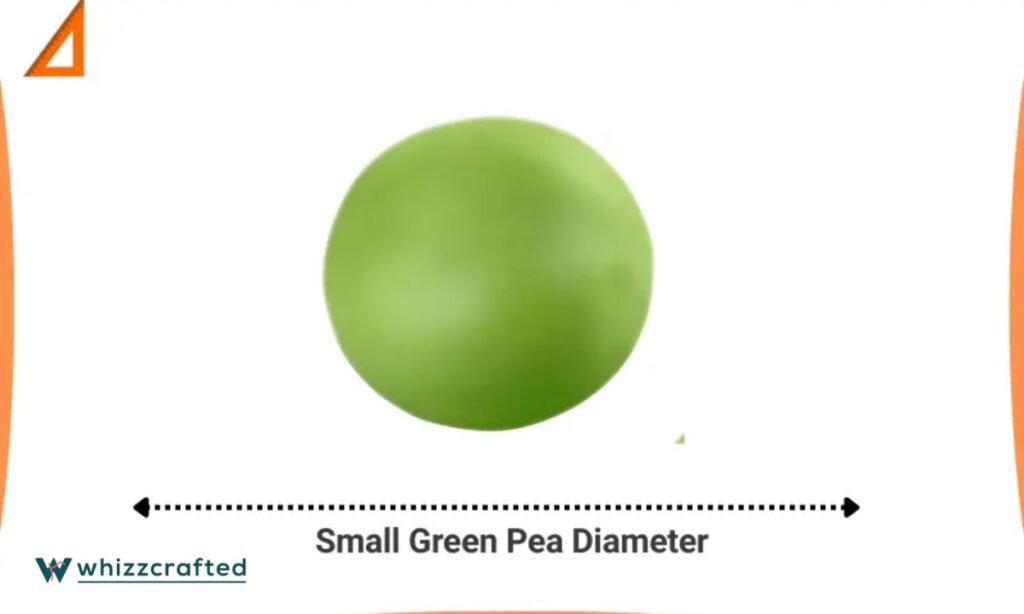
A 5mm green pea is one of the most relatable examples out there. Fresh peas often measure close to this size before they fully mature, which makes them a natural stand in for anyone wondering how big is 5mm.
If you have ever shelled peas in the kitchen, you already have hands on experience with this measurement. Hold one on your fingertip and you will notice it is small, round, and easy to see clearly.
Peas do grow larger as they ripen, sometimes reaching 8mm or 9mm. That range still makes them a solid reference point, especially for anyone learning to picture small metric measurement sizes for the first time.
Also, read this Blog: How Big Is 2mm? 10 Common Things That Are About 2mm Big
2. Pencil Eraser Width
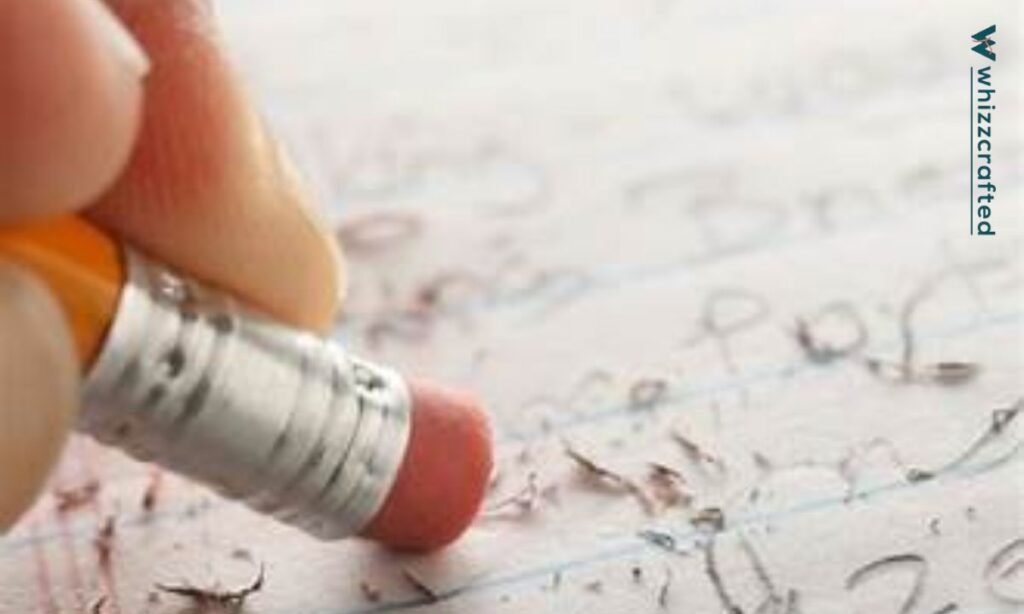
The width across a standard pencil eraser often lands close to 5mm. This is a helpful comparison because almost everyone has held a pencil at some point in school or work.
A 5mm pencil eraser is wide enough to erase a full line of text but small enough to fit neatly on the end of the pencil. Look at the flat top of your eraser and you are looking at roughly this size in real life.
This example is popular in 5mm size comparison guides because pencils are cheap, common, and easy to find on any desk. You do not need to go looking for a special object, since one is probably within arm’s reach right now.
3. Small Craft Bead

Craft beads used in bracelets and necklaces are frequently sold in the 4mm to 6mm range, which puts many of them right around 5mm. A 5mm craft bead is large enough to see clearly but small enough for detailed jewelry work.
Jewelry makers pay close attention to bead size because even a 1mm difference changes how a finished piece looks. This is one reason bead packaging almost always lists sizes in millimeters instead of inches.
If you have a jewelry kit at home, dig through it and look for beads labeled 5mm. Holding one in your hand is one of the fastest ways to understand this measurement without reading another paragraph about it.
4. Headphone Jack Opening
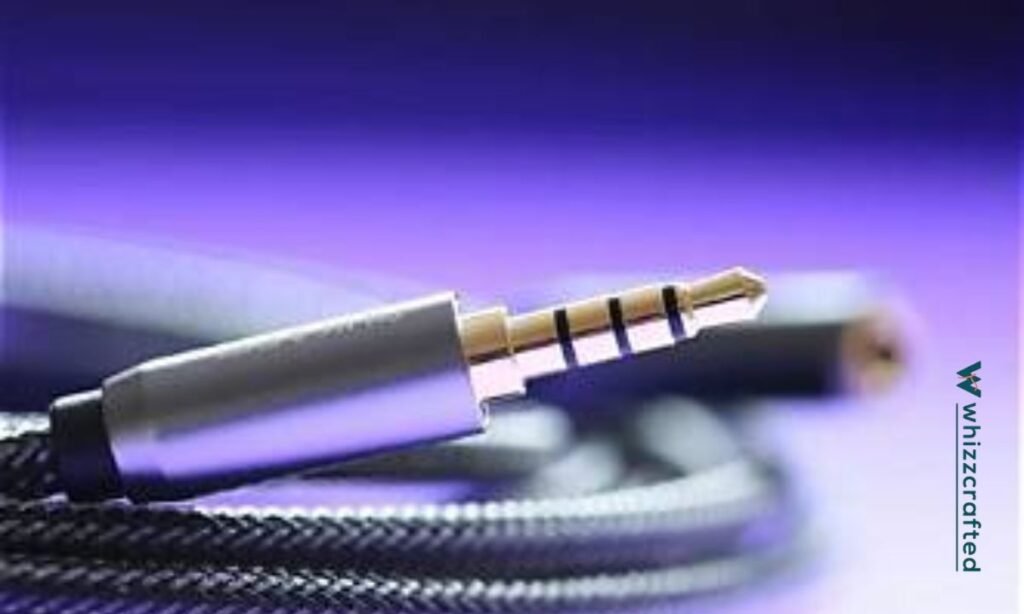
Older wired headphone jacks and small audio ports often measure close to 5mm across the opening, though standard 3.5mm jacks are actually a bit smaller. Some larger ports and connector openings do land closer to the 5mm mark.
This comparison connects the topic to modern everyday objects most people already use. Cables, chargers, and small electronic parts are frequently designed around millimeter sized openings.
Next time you plug in a cable, take a second look at the opening. It gives you a small but useful 5mm visual comparison tied to something you touch on a daily basis.
5. Tiny Button Width
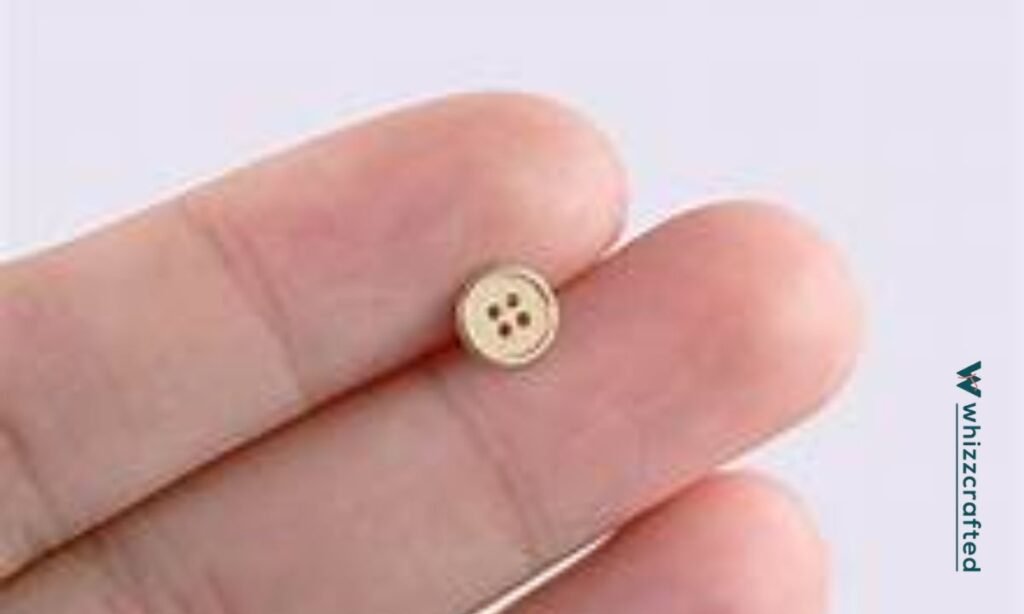
Small 5mm buttons show up often in doll clothing, baby garments, and detailed sewing projects. They are noticeably smaller than a standard shirt button but still large enough to sew on without much trouble.
Sewing patterns usually list button size in millimeters, so knowing how big is 5mm in this context actually matters if you sew or craft regularly. Picking the wrong size button can throw off an entire garment.
If you have a sewing kit, look for the smallest buttons in the box. There is a good chance a few of them sit right around 5mm wide, giving you another physical reference to compare against.
6. Thick Cable Width
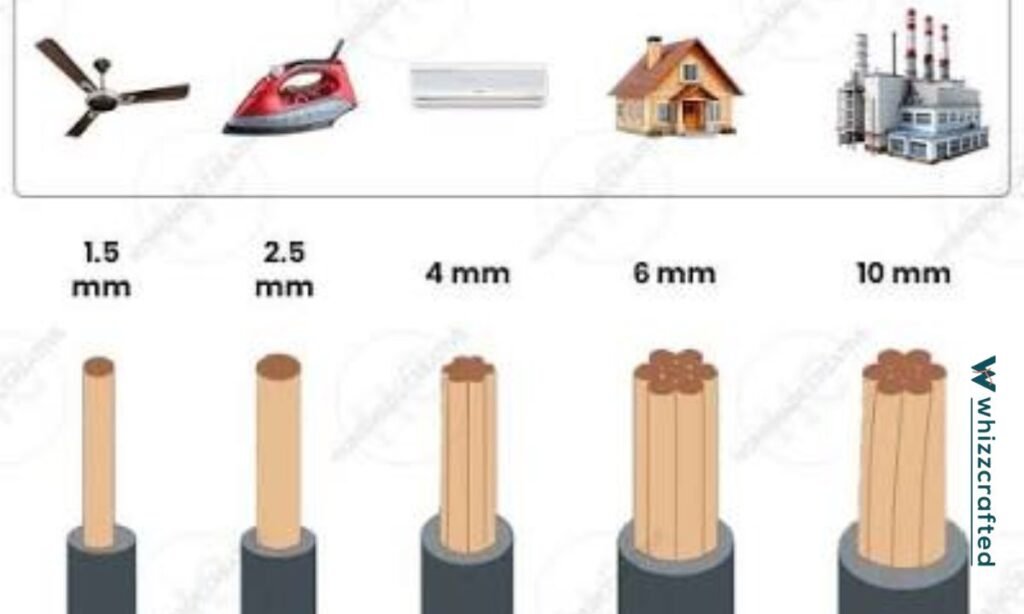
Many charging cables and thin electrical wires measure close to 5mm thick once you include the outer coating. A 5mm cable feels solid in your hand without being bulky or stiff.
This thickness balances two things that matter in cable design. It needs enough material to protect the wires inside, but it still has to stay flexible enough to bend around corners and coil up neatly.
Grab any charging cable near you and pinch it between two fingers. That small width you feel is a practical, real world way to understand this 5mm thickness without needing a ruler at all.
7. Small Marble Size
Mini marbles used in games and crafts are often sized close to 5mm, smaller than the classic marbles most people remember from childhood. A 5mm marble still rolls smoothly and catches light nicely.
These smaller marbles show up in mosaic art, vase filler, and some board games. Their compact size makes them easy to use in tight spaces where a full sized marble would not fit as well.
If you have a bag of craft marbles at home, sort through them and look for the smaller pieces. Comparing a few sizes side by side is one of the clearest ways to answer how big is 5mm through direct observation.
8. Watch Crown Width
The small knob on the side of a watch, known as the crown, is often close to 5mm wide. Watchmakers keep this part small on purpose, but it still needs to be easy to grip with your fingers.
A 5mm watch crown has to strike a careful balance. Too small and it becomes hard to adjust the time. Too large and it throws off the look of the entire watch face.
Next time you set your watch, take a closer look at the crown before you turn it. That tiny piece of hardware is a great everyday example of precise 5mm measurement used in real product design.
9. Coarse Gravel Piece

Landscaping gravel is often sorted by size, and pieces in the coarse range frequently land between 4mm and 8mm, putting many of them close to 5mm. A 5mm gravel piece feels solid and slightly rough in your palm.
This size matters more than most people realize. Gravel size affects drainage, how a path feels underfoot, and even how well plants root in garden beds.
If you have gravel in your yard or a nearby garden bed, pick up a small handful and look closely. You will likely spot pieces that are close to this exact size mixed in with larger and smaller stones.
10. Small Screw Head
Small hardware screws, especially the kind used in electronics, eyeglasses, and small furniture fittings, often have heads that measure close to 5mm across. A 5mm screw head needs to be wide enough for a screwdriver tip to grip firmly.
This is a practical example because screw size mistakes are common. Buying the wrong screw head size is one of the most frequent frustrations in home repair and small assembly projects.
Keep a small screw in your toolbox and measure it if you get the chance. It gives you a hands on, practical way to understand things that are 5mm wide the next time you shop for replacement hardware.
11. Small Jewelry Stone
Small gemstones and rhinestones used in rings, earrings, and decorative pieces are frequently sold in sizes close to 5mm. A 5mm jewelry stone is large enough to catch the eye but small enough to fit into delicate settings.
Jewelers measure stones in millimeters because it gives far more precision than inches ever could. A half millimeter difference can change whether a stone fits a particular setting or mount.
If you own any jewelry with small accent stones, take a close look next time you wear it. There is a strong chance several of those stones sit right around this same 5mm size range.
Conclusion
So, how big is 5mm in the end? It comes out to about 0.5 centimeters or close to 0.197 inches, roughly the size of a small pea, a craft bead, or a pencil eraser. It is small, but far from impossible to picture once you have real objects to compare it to.
Across this guide, you have seen eleven different 5mm examples pulled from kitchens, craft boxes, toolboxes, and jewelry boxes. Each one gives you a slightly different way to picture the same small 5mm size in real life.
The next time someone asks how big is 5mm, you will not need to reach for a calculator. You can point to a pea, a button, or a bead sitting right in front of you and show them instead.

Zayn is a passionate writer with over 4 years of experience creating engaging and informative content.
With a love for exploring ideas and topics, Zayn focuses on making every piece clear, creative, and valuable.