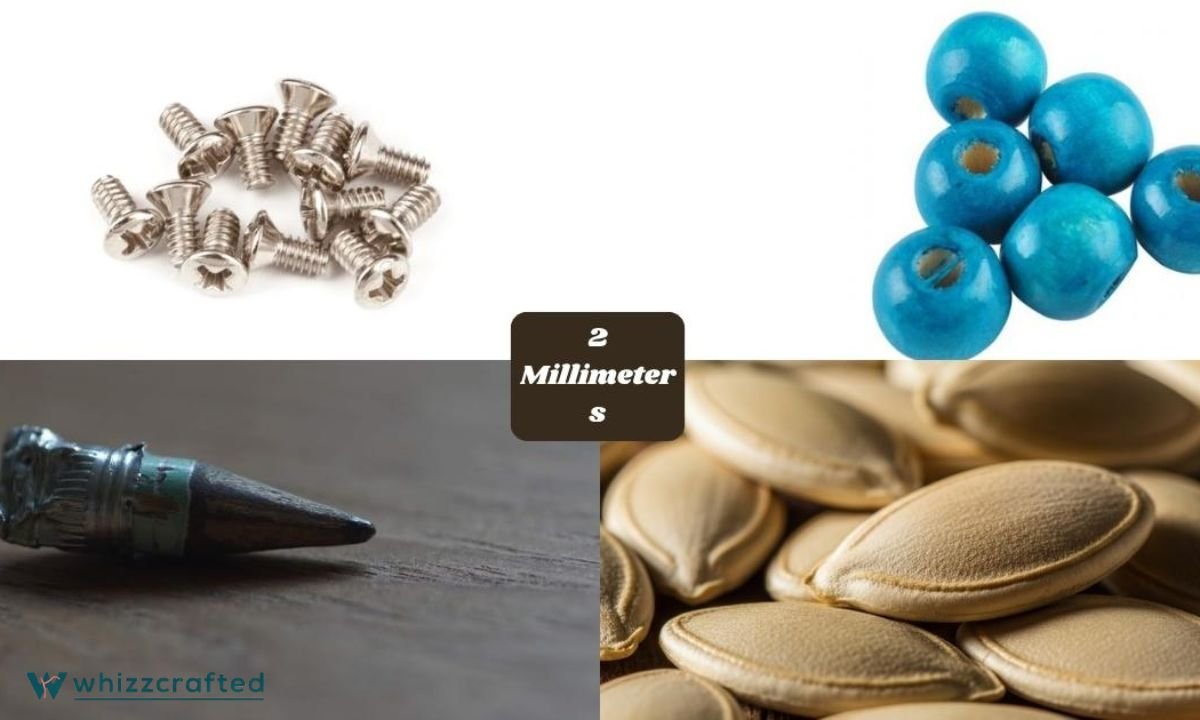
If you have ever stared at a product listing and wondered “how big is 2mm really,” you are not alone. Millimeters are one of the hardest units to picture in your head. A number like 2mm just does not mean much until you compare it to something you can actually hold.
That is exactly what this guide does. We are going to answer how big is 2mm using objects you already have around your house, your kitchen, or your junk drawer. By the end, you will never have to guess again.
Quick answer first, because your time matters. 2mm equals about 0.078 inches, or roughly 0.2 centimeters. That is close to the width of a sesame seed or the thickness of two stacked credit cards. Now let us break it down properly.
How Big Is 2mm?
So how big is 2mm exactly? In inches, 2mm converts to about 0.078 inches, which is just under one tenth of an inch. In centimeters, 2 millimeters is 0.2cm, a tiny fraction of a single centimeter. It is small enough that most people cannot judge it by eye without a visual reference.
Understanding how big is 2mm matters more than people think. This size shows up constantly in jewelry making, electronics repair, sewing, woodworking, and even cooking. A precision measurement like this can be the difference between a screw that fits and one that strips the hole.
The tricky part with small measurements like this is that our brains are not built to estimate them well. We can guess the length of a room fairly accurately, but a millimeter is too tiny for most people to judge without help. That is exactly why comparing 2mm to real objects works so much better than just reading the number.
Here is a simple way to think about it. Take a standard credit cards stack, two of them pressed together. That thickness is almost exactly 2mm. Keep that image in your head, because we will use it again later in this guide.
Ways to Estimate 2mm Without a Ruler
You do not always have a ruler in your pocket, and that is fine. There are several easy tricks for estimate 2mm without a ruler using things you already own. Below are the three most reliable methods people use every day.
Using Your Fingers
Your own hands can help you understand how big is 2mm in a pinch. The edge of an average fingernail, right where the white tip begins, is often close to 2mm thick. Look down at your nail right now and picture slicing off just that outer sliver.
This method is not perfectly exact since everyone’s nails are different sizes. Still, it gives you a fast mental image when you are shopping online and need a gut check on 2mm diameter parts. Think of it as a rough guide, not a lab tool, but a genuinely useful one when you want to know how big is 2mm on the spot.
Using Coins or Cards
Coins and cards are some of the most consistent objects for judging 2mm thickness. As mentioned earlier, two stacked credit cards measure almost exactly 2mm. This trick works because cards are manufactured to a strict, repeatable thickness.
You can also compare a single coin edge. A US dime, for example, is close to 1.35mm thick, so stacking one and a half dimes gets you near the 2mm mark. It is not glamorous, but it works when you need a fast answer to how big is 2mm, and it uses coins you probably already have in a jar somewhere.
Using Common Small Objects
Seeds, beads, and pencil tips are some of the easiest everyday objects for picturing 2mm. A sesame seed, a mustard seed, or a small jewelry bead all sit right around this size. These items are cheap, common, and easy to compare side by side.
If you keep a spice rack or a craft box at home, you already own a working ruler substitute. Just pour out a few seeds or beads onto a table and look closely. This is one of the fastest ways to answer what does 2mm look like without buying any tools.
Quick Comparison Table
Numbers are easier to remember when they sit side by side. The table below lines up ten common objects that are 2mm, along with their approximate size in inches and centimeters, so you can compare at a glance.
| Common Item | Approx. Size in Inches | Approx. Size in Centimeters |
| Sesame Seed (width) | 0.078 in | 0.2 cm |
| Pencil Lead Width | 0.078 in | 0.2 cm |
| Small Jewelry Bead | 0.078 in | 0.2 cm |
| Grain of Rock Salt | 0.06 to 0.08 in | 0.15 to 0.2 cm |
| Mechanical Pencil Tip (2mm lead) | 0.078 in | 0.2 cm |
| Tiny Screw Diameter | 0.078 in | 0.2 cm |
| Mustard Seed | 0.04 to 0.08 in | 0.1 to 0.2 cm |
| Earphone Wire Thickness | 0.06 to 0.08 in | 0.15 to 0.2 cm |
| Craft Foam Sheet | 0.078 in | 0.2 cm |
| Watch Gear Part | 0.04 to 0.08 in | 0.1 to 0.2 cm |
Notice that not every item lands on the exact same number. Nature does not cut seeds and salt grains to a perfect factory spec, so you will see small ranges for organic objects. That honesty matters when you are trying to genuinely understand how big is 2mm rather than just memorizing a single figure, since real world objects rarely match textbook numbers perfectly.
1. Sesame Seed Length
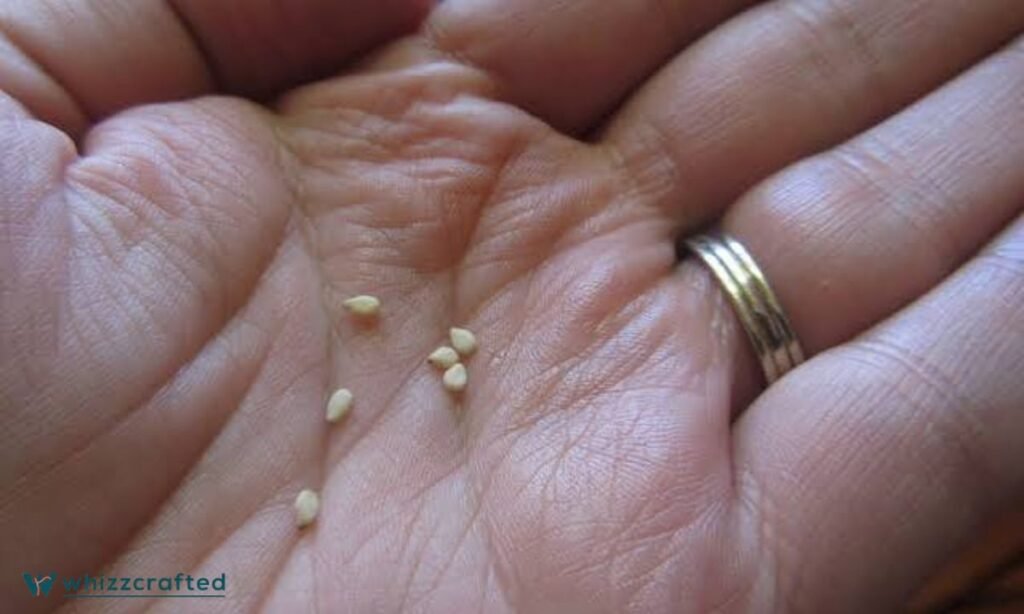
A sesame seed is one of the best kitchen examples for how big is 2mm looks in real life. Most sesame seeds measure between 3mm and 4mm in length, but their width, the shorter side, sits right around 2mm. That width is the number worth picturing.
Grab a sesame covered bun from your pantry and shake a few seeds onto a plate. Look at the seed from the side rather than end to end. That short dimension is your best 2mm visual comparison, and it is sitting right in your kitchen.
Bakers and food scientists actually rely on precision measurement with seeds like this, since seed size affects texture and coating on bread. Next time you eat a sesame bun, you are technically looking at a real world example of how big is 2mm, hiding in plain sight on your breakfast plate.
Also, read this blog: How Long Is an Inch? 12 Common Things That Are About 1 Inch Long
2. Pencil Lead Width
Standard wooden pencil lead, the graphite core inside a normal number two pencil, is close to 2mm in diameter. This is one of the most familiar tools for judging how big is 2mm, since almost everyone has sharpened a pencil at some point.
Sharpen a pencil and look at the exposed tip before it comes to a point. The round graphite core you see is very close to 2mm across. That single glance answers what does 2mm look like better than most diagrams ever could.
Artists who work with sketching pencils already have a built in sense of pencil tip thickness, since it directly affects line weight and shading. If you draw even occasionally, you already carry a 2mm reference tool in your bag.
3. Small Jewelry Bead
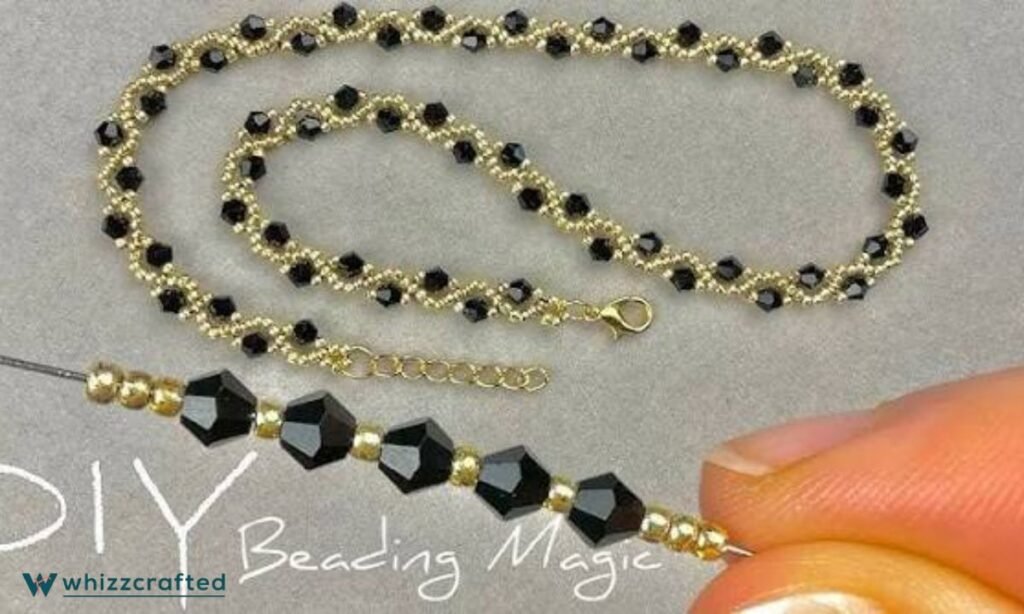
Tiny jewelry bead pieces, often called seed beads, are commonly sold in 2mm sizes for bracelets and necklaces. This makes them a favorite choice among crafters who need consistent, repeatable sizing for detailed patterns.
If you have ever done jewelry making or beaded a friendship bracelet, you have likely handled beads this small. Roll one between your fingers and you will feel just how tiny yet solid a 2mm object can be.
Online bead shops list sizes in millimeters for a reason. Knowing how big is 2mm ahead of time saves you from ordering a bag of beads that turn out far smaller or larger than what your pattern actually needs.
4. Grain of Rock Salt
Coarse rock salt grain pieces often measure close to 2mm across, noticeably bigger than fine table salt. Because the crystals are large enough to see individually, salt is a surprisingly good kitchen tool for judging small sizes.
Sprinkle a pinch of coarse salt onto a dark plate and look closely. Several of those crystals will sit right around 2mm, giving you a free and instant answer to how big is 2mm without leaving your kitchen.
This size also matters outside of taste. Chefs choose grain size carefully because it changes how salt dissolves and how it feels on the tongue, which shows how a tiny measurement like 2mm can have a real impact on flavor and texture, another small answer to how big is 2mm from the kitchen.
5. Mechanical Pencil Tip
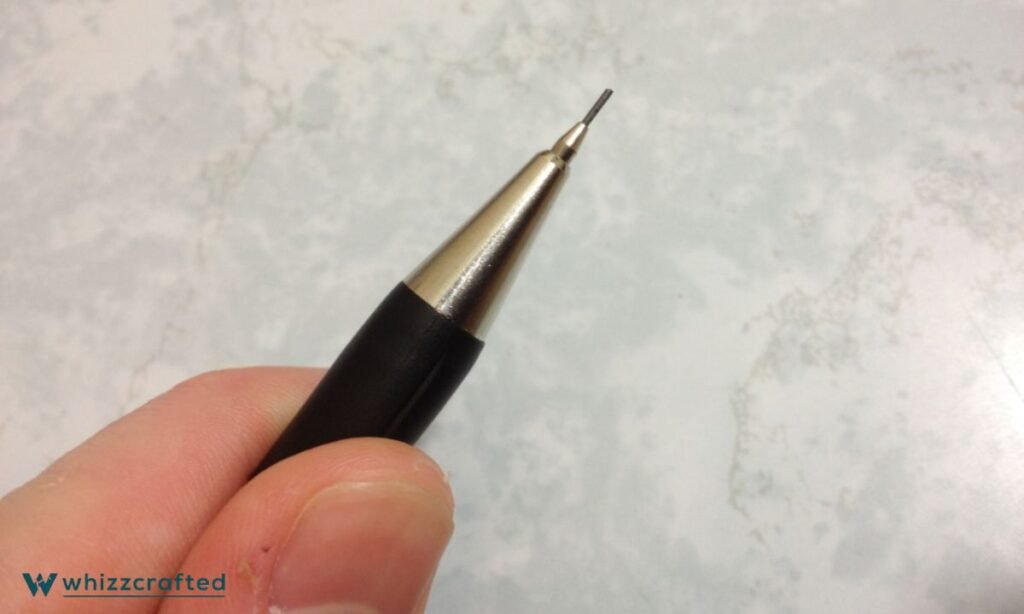
Some drafting pencils, often called clutch pencils, use thick 2mm lead instead of the thin 0.5mm or 0.7mm lead found in everyday mechanical pencil models. These thicker leads are popular with architects, engineers, and technical artists.
A 2mm lead holder produces bold, dark lines that are easy to control for shading and sketching. Holding one in your hand gives you an immediate physical sense of how big is 2mm, since the lead itself is the exact size in question.
If you ever browse an art supply store, look for lead refills labeled 2mm. Comparing that pack directly against a standard 0.5mm refill is one of the clearest 2mm size comparison tricks available in any stationery aisle.
6. Tiny Screw Head
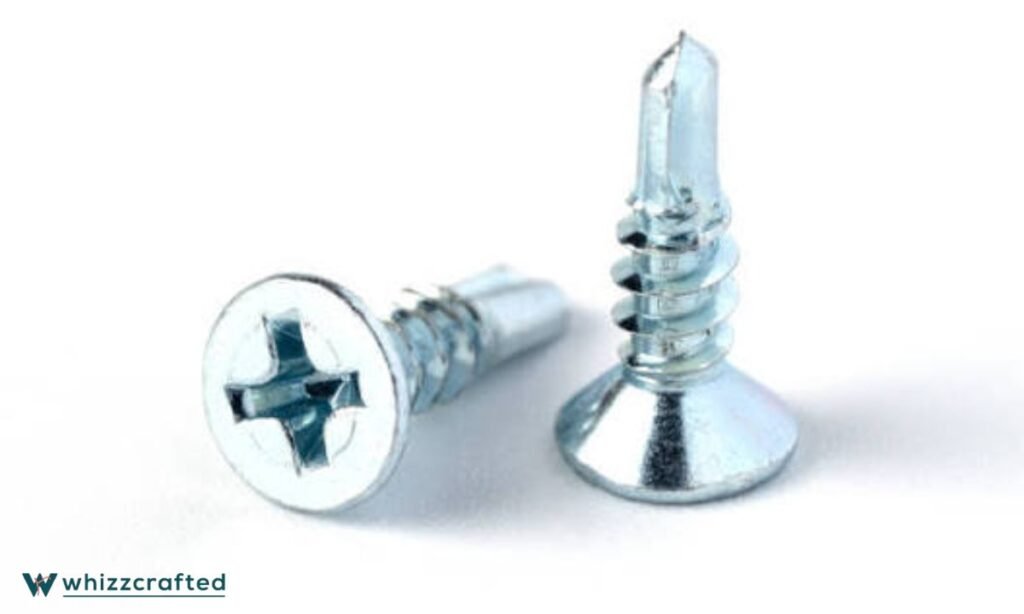
Many electronic screws used in phones, glasses, and laptops have a shaft diameter of about 2mm, commonly labeled as M2 screws in hardware catalogs. As devices shrink, these tiny fasteners have become more common than ever.
Anyone who has repaired a phone or tightened glasses hinges has likely handled small electronic parts this size. You usually need a precision screwdriver just to grip them properly, which tells you how small 2mm really is in practical use.
Hardware stores and repair shops label bolts and screws in millimeters for good reason. Understanding how big is 2mm ahead of time helps you order the correct replacement part instead of guessing and hoping it fits.
7. Small Mustard Seed

The humble mustard seed is another pantry item that lands close to 2mm in diameter, sometimes a touch smaller. These round little seeds are common in cooking, pickling, and gardening, which makes them easy to find in most homes.
Pour a few mustard seeds into your palm and roll them around. Their smooth, round shape makes them one of the more satisfying 2mm examples to compare against other seeds, beads, or grains you might already know.
Gardeners also plant mustard seeds directly, and seed packets often list size right on the label. That printed number is a handy, free confirmation of how big is 2mm without needing any extra tools.
8. Earphone Wire Thickness
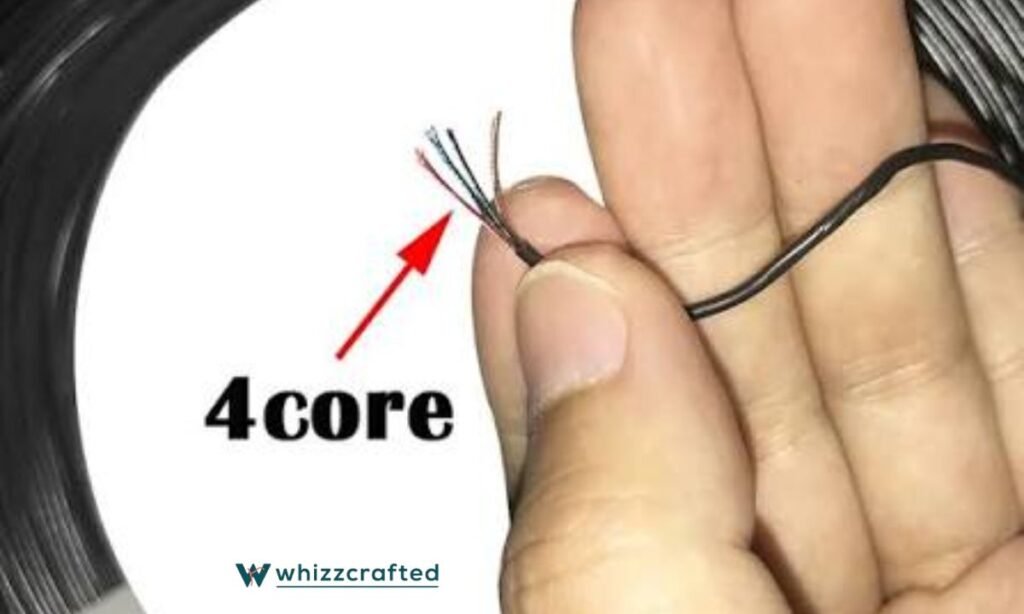
Many thin earphone wire cables measure close to 2mm across, especially lightweight wired earbuds bundled with phones. This thickness balances flexibility with enough protection to keep the internal wiring safe.
Pull an old pair of wired earbuds out of a drawer and pinch the cable between two fingers. That slim, bendable feel is a solid 2mm visual comparison, and it is a cable most people already own somewhere in their house.
Cable thickness matters more than people realize when shopping online for chargers or replacement cords. Knowing how big is 2mm helps you judge product photos more accurately before you ever click buy.
9. Thin Craft Foam Sheet
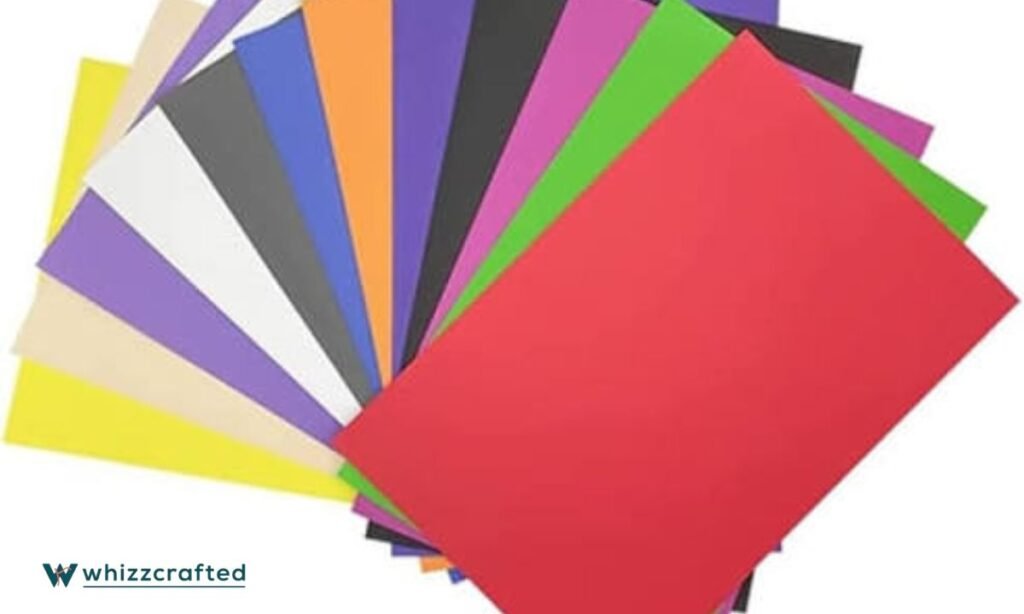
Lightweight craft foam sheet material, the kind used in school projects and classroom decorations, is often sold at 2mm thickness. It is soft enough to cut with scissors yet firm enough to hold its shape once it is glued down.
Hold a sheet up between your fingers and gently bend it. That slight give paired with a clear shape is a good hands on way to answer what does 2mm look like for anyone working on a craft projects assignment.
Teachers and parents often buy foam sheets by thickness rather than guessing, since a sheet that is too thin can tear during cutting. A quick check of the millimeter label, paired with what you now know about how big is 2mm, saves a trip back to the store.
10. Small Watch Gear Part
Inside a mechanical watch, tiny watch gear components can measure close to 2mm across, sometimes smaller. These parts keep the hands moving smoothly and accurately, which is impressive given how small they actually are.
Watch repair professionals often use magnifying tools just to handle gears this size safely. It is a strong reminder that how big is 2mm matters a great deal inside precision machinery, even if the part itself looks almost invisible to the naked eye.
If you ever watch a watchmaker at work, notice how carefully each tiny gear is placed with tweezers. That level of care exists because a difference of even half a millimeter can throw off an entire watch mechanism.
11. A Fine Pencil Lead Tip
Beyond the thick clutch pencil lead mentioned earlier, some fine art pencils are ground down to a sharpened tip that measures close to 2mm at the widest point right before it narrows to a fine point. This gives artists a bold stroke with a controlled, sharp edge.
Sharpen a soft sketching pencil, like a 2B or 4B, and examine the exposed graphite carefully. The base of that cone shaped tip is a strong real world example of how big is 2mm, right before it tapers down further. Understanding how big is 2mm at this stage helps you pick the right pencil for the shading style you want.
Illustrators who shade large areas often prefer this style of tip because it lays down more graphite per stroke. It is a small detail, but it shows how a tiny measurement can shape an entire art style.
12. A Small Grain of Sand
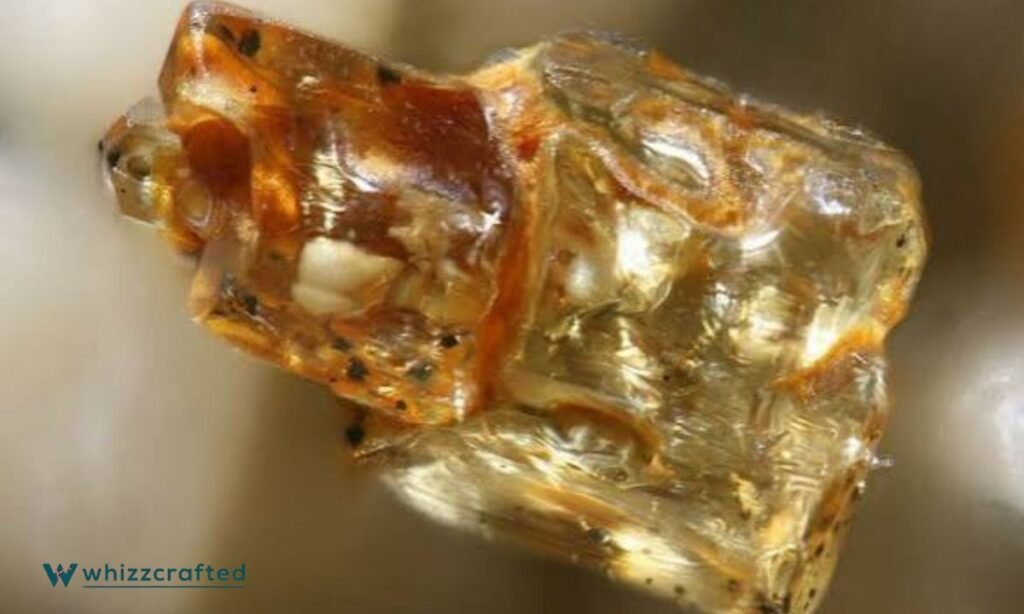
Coarse beach sand can include individual grains measuring close to 2mm across, sitting at the upper end of what geologists classify as sand before it becomes gravel. Most sand you walk on is smaller, but coarse varieties reach this size easily.
Scoop a small handful of coarse sand and spread it across your palm. A few of the larger grains will stand out clearly, giving you a free, natural 2mm visual comparison without buying anything at all.
Geologists actually use grain size charts to classify soil and sand types professionally. That same chart is a great confirmation that how big is 2mm sits right at a meaningful boundary in the natural world, not just in a kitchen drawer. It is one more proof that how big is 2mm shows up everywhere once you start looking.
Conclusion
By now, the question of how big is 2mm should feel a lot less abstract. It equals about 0.078 inches or 0.2 centimeters, and it shows up constantly in seeds, beads, screws, cables, and craft supplies you likely already own.
The fastest way to remember this size is to picture two stacked credit cards, or grab a sesame seed off your kitchen counter. Both give you an instant, accurate answer to how big is 2mm without needing a single tool.
Next time a product listing says 2mm and you pause for a second, you will already know exactly what that means. Small measurements like this one are everywhere once you know how to spot them.

Zayn is a passionate writer with over 4 years of experience creating engaging and informative content.
With a love for exploring ideas and topics, Zayn focuses on making every piece clear, creative, and valuable.