If you have ever stood in a hardware store holding a bolt with no ruler in sight, you already know why people ask how long is an inch. It is one of those questions that sounds simple until you actually need the answer fast. This guide gives you that answer right away, then shows you twelve everyday objects that make an inch easy to picture forever.
An inch equals 2.54 centimeters, or 25.4 millimeters, or about 0.083 feet. That is the official number. But numbers do not stick in your brain the way objects do. So instead of just telling you the math, this article shows you what one inch actually looks like using things you already own.
By the end, you will never have to wonder how long is an inch again. You will just glance at a paperclip, a bottle cap, or your own thumb and know.
COMPARISON TABLE: INCH VS OTHER UNITS
People searching for how long is an inch usually want a fast conversion chart before anything else. So here it is, right up front, no scrolling needed.
| Unit | Equivalent Value |
| Centimeters | 2.54 cm |
| Millimeters | 25.4 mm |
| Feet | 0.083 ft |
| Yards | 0.0278 yd |
| Meters | 0.025 m |
This inch to centimeter conversion is fixed and never changes, unlike some measurements that get rounded differently depending on where you look. Whether you are working on a school project or converting 1 inch in centimeters for a furniture order, this table is the one to bookmark.
VISUAL COMPARISON TABLE: WHAT AN INCH LOOKS LIKE
Charts are useful, but most people want a visual inch comparison they can actually picture in their head. That is exactly what this table gives you, using everyday objects you probably have within arm’s reach right now.
| Item | Approximate Size | How Close to 1 Inch |
| Paperclip | 1 inch | Almost exact |
| Quarter coin | 0.95 inch | Very close |
| Pencil eraser | 0.9 to 1 inch | Close |
| Thumb joint | 1 inch | Close, varies by person |
| Dice (one side) | 0.75 to 1 inch | Slightly smaller |
| Bottle cap | 1 inch | Nearly equal |
| USB connector | 0.6 to 0.7 inch | Smaller than an inch |
| Adult finger width | 0.75 to 1 inch | Close, varies by person |
| Lego brick height | 0.75 inch | Slightly shorter |
| Sewing pin length | 1 to 1.5 inches | Slightly longer |
| Small key width | 1 inch | Close match |
| Postage stamp width | 0.87 to 1 inch | Close |
Keep this table in mind as you read through each object below. It is a fast way to answer how long is an inch without pulling out a ruler at all.
1. A Standard Paperclip
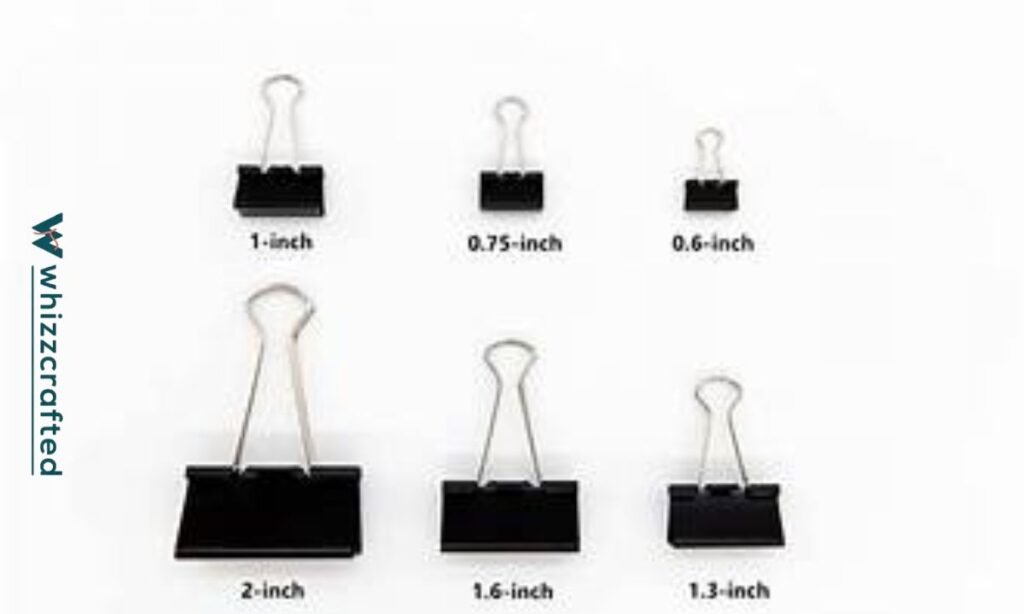
If someone asks you how long is an inch, a paperclip is the fastest way to show them. A small paperclip, laid flat, measures almost exactly one inch from end to end.
This makes it one of the most reliable one-inch reference items you can find. Offices, classrooms, and junk drawers are full of them, so you rarely have to search far.
Next time you need a quick measurement and there is no ruler around, grab a paperclip. It will not be perfect, but it will get you close enough for most everyday jobs.
2. The Width of a Quarter Coin
A U.S. quarter coin measures about 0.95 inch across, just a hair under a full inch. That small gap barely matters when you are trying to estimate size on the fly.
Coins are great for this kind of estimate size trick because every quarter is the same, unlike random household items that vary in shape. You always have a consistent reference point in your pocket or wallet.
This is especially handy when you are shopping online and a listing gives dimensions with no photo for scale. Hold a quarter next to your screen, or just picture one, and you get an instant gut check on size.
Also, read this Blog: How Long Is 20 Inches? 17 Common Things That Are 20 Inches Long
3. Standard Pencil Eraser
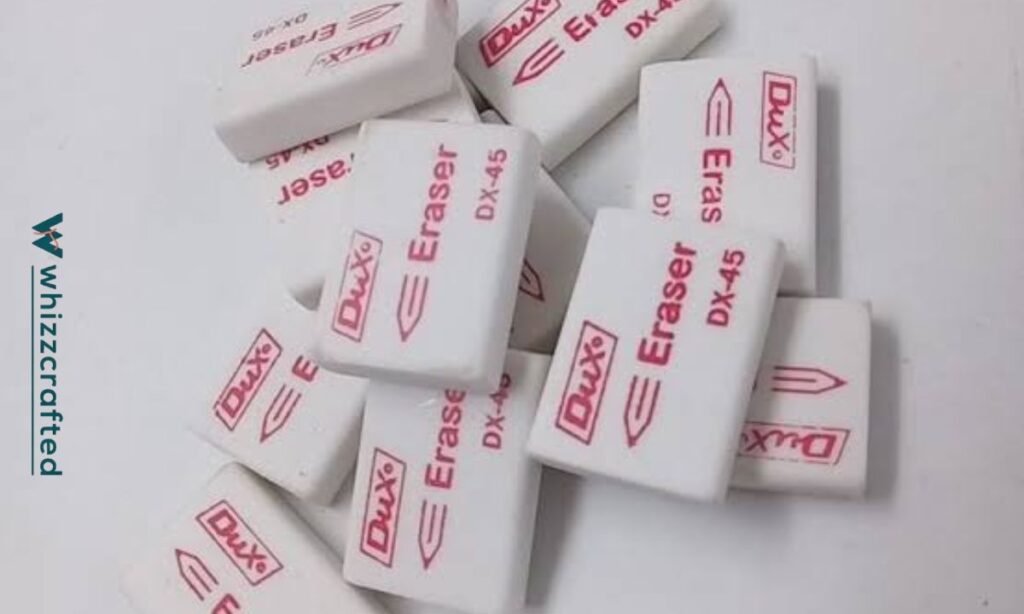
A standard pink pencil eraser, the kind on the end of a number two pencil, usually runs about 0.9 to 1 inch long. It is one of those small objects that sits on every desk without anyone thinking twice about it.
Because pencils are so common, this is one of the easiest ways to explain how long is an inch to a kid doing homework. You do not need a special tool, just the pencil already in their hand.
Erasers do wear down with use, so a brand new one will measure closer to an inch than one that has been sharpened and used for months. Keep that in mind if you are trying to get an exact figure.
4. The Length of a Thumb Joint
Your own body can double as a measuring an inch tool, and the top joint of an adult thumb joint is the classic example. For most adults, that section runs close to one inch long.
This trick is old. Long before rulers were standard, traders and builders used body parts like this for rough sizing. It still works today when you need a fast answer and nothing else on hand.
Just remember hands are not identical. Someone with larger hands might measure a bit over an inch, while someone with smaller hands might land under it. Use this method for rough guesses, not precise cuts.
5. A Dice (One Side Length)
A standard six-sided dice used in board games measures roughly 0.75 to 1 inch per side, depending on the set. It is a solid, chunky inch size comparison because you can hold it and turn it in your hand.
Dice work well for people who think better in 3D shapes rather than flat lines. Picture stacking a few dice in a row and you start to build a real sense of scale.
Most households have a board game buried in a closet somewhere, so this is one of the more approximate inch size examples you can dig up without leaving the house.
6. The Diameter of a Bottle Cap
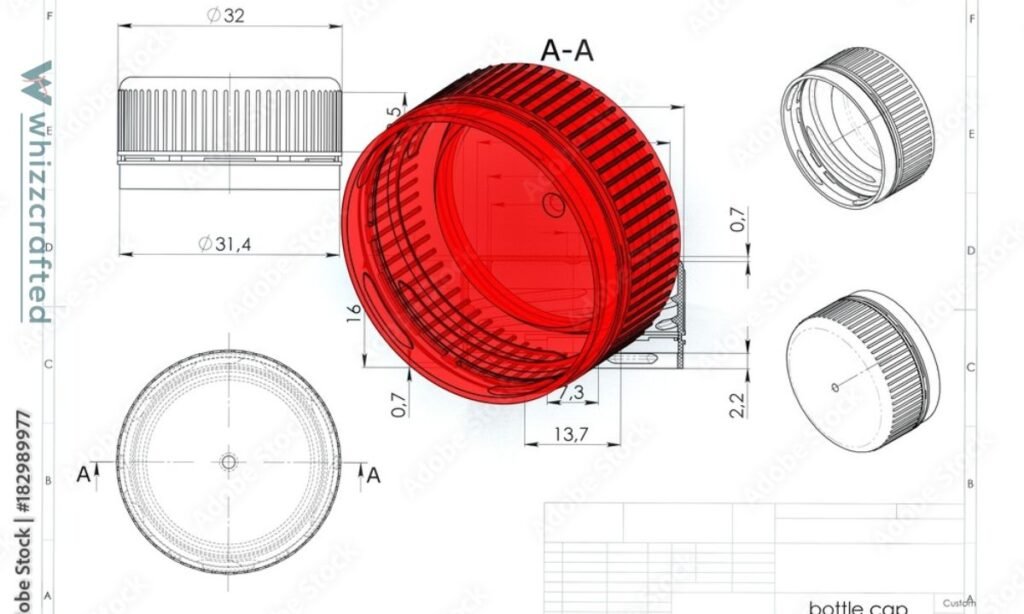
The bottle cap diameter on most water and soda bottles lands right around one inch across. Grab any bottle from your fridge and you have got a near perfect visual reference in your hand.
This example is useful because caps are round, which helps when you are picturing circular measurements instead of straight lines. Think of small holes, lids, or anything that needs to fit through a round opening.
Bottle caps also travel well. If you are out and about and someone asks how long is an inch, odds are there is a bottle nearby you can point to.
7. A USB Flash Drive Connector
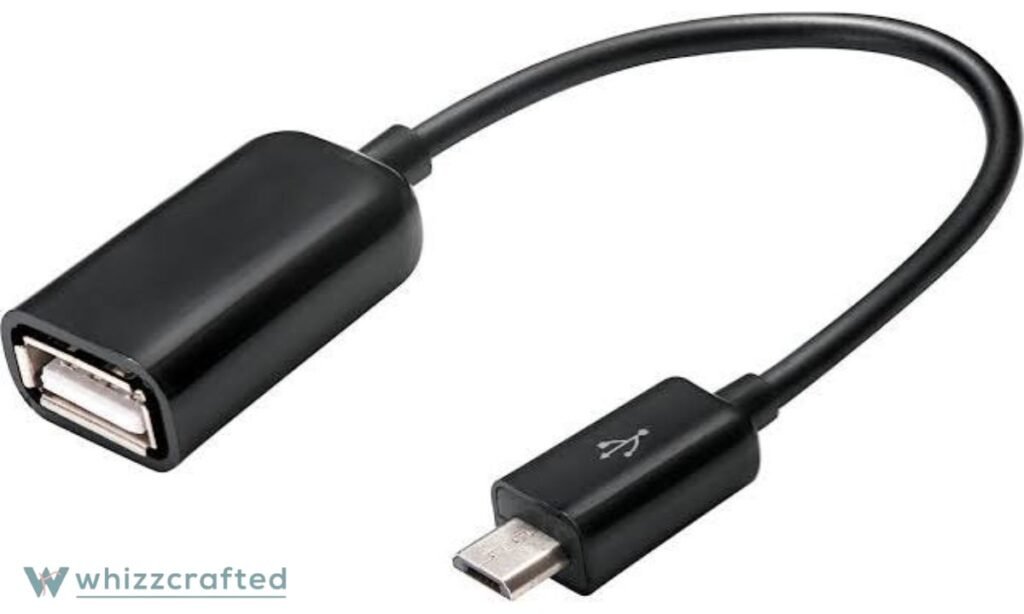
Here is where a lot of guides get it wrong, so let’s set the record straight. The metal end of a USB flash drive connector is not a full inch, it usually measures closer to 0.6 to 0.7 inch wide.
It is still a helpful visual reference because it shows how something can look close to an inch without actually being one. This matters if you are trying to build an accurate sense of scale rather than just a rough guess.
If you want a true one inch tech reference, look at the width of most smartphone charging bricks instead, which run closer to the full inch mark. Precision matters more with electronics than with something like a paperclip.
8. The Width of an Adult Finger
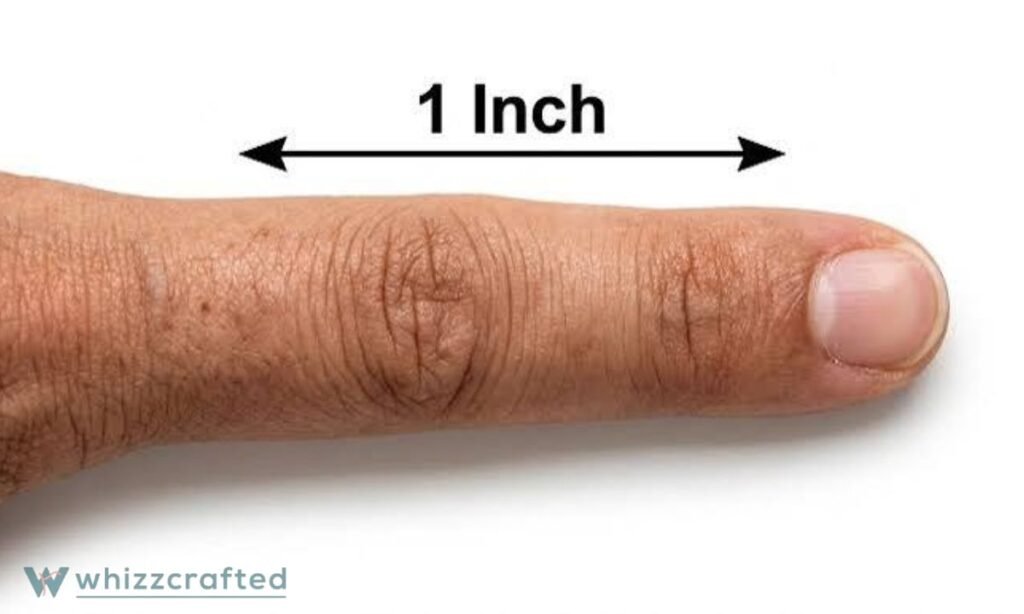
The width of an average adult finger width, not counting the thumb, usually falls between 0.75 and 1 inch. It is not exact, but it is one of the most convenient tools you carry with you at all times.
This method comes in handy for without a ruler situations, like checking if a gap in a fence or shelf is wide enough for something to pass through. Just line your finger up sideways and compare.
Like the thumb joint trick, this one varies from person to person. Treat it as a starting point for household measurements, not a final answer for anything that needs to be exact.
9. A Lego Brick Height
A classic Lego brick height, the 2 by 4 stud brick most people picture instantly, measures about 0.75 inch tall. That is just under a full inch, but close enough to be genuinely useful.
Lego bricks are made with very tight manufacturing tolerances, so this measurement barely changes no matter which set or country it came from. That consistency makes it a dependable reference.
If you have kids, or you are one of the many adults who still collects sets, this is a fun and painless way to talk about length measurement without pulling out a textbook.
10. The Length of a Sewing Pin Head Section
A standard sewing pin, from the round head down past the first section of the shaft, often runs close to an inch, though full pins can stretch to about 1.5 inches total. It depends on the type of pin and what it is made for.
This example matters most to anyone who sews, quilts, or works with fabric regularly. DIY projects involving cloth often call for spacing pins about an inch apart, so this reference comes up more than you might expect.
If you do not sew, this one might feel less familiar than a paperclip or a coin. But for crafters, it is one of the most practical real-life inch examples on this entire list.
11. A Small Key Width
Most small key designs, like the kind used for a desk drawer or a padlock, measure close to one inch across the widest part. Keys are built for a firm, comfortable grip, and that need shapes their size.
Since keys are things almost everyone carries daily, this is an inch without a ruler trick you can use just about anywhere. Check your keychain right now and you will likely find one that fits the bill.
This comparison also works well for anyone measuring small slots or openings, since a key gives you both a length and a rough width reference in a single object.
12. Standard Pencil Eraser
Wait, we already covered the eraser earlier, so let’s use this last spot for something new. A U.S. postage stamp, specifically the width, measures about 0.87 to 1 inch across depending on the design.
Stamps are a good closing example because they show how imperial measurement habits still show up in ordinary mail. Next time you are sending a letter, take a second look at the stamp before you stick it on.
This wraps up our full run of everyday objects that hover right around the one inch mark, giving you plenty of options no matter what happens to be sitting on your desk.
How to Practice Measuring Without a Ruler
Knowing how long is an inch in theory is one thing, but building a real feel for it takes a little practice. Try picking three items from this list and lining them up next to each other.
Compare them by eye first, then check yourself with an actual ruler or tape measure. Doing this a few times trains your brain to spot an inch almost automatically, which is genuinely useful for shopping online or quick DIY jobs.
Over time, this becomes second nature. You will start eyeballing sizes correctly before you even reach for a tool.
Why Understanding an Inch Still Matters Today
Even with the metric system dominating most of the world, the imperial system is still standard in the United States for construction, crafting, and everyday shopping. That is exactly why how long is an inch remains such a common question.
Screens, furniture, tools, and clothing sizes in the U.S. are still commonly listed in inches. Without a mental picture of that unit, product listings and measurements can feel confusing fast.
Building a solid estimate size instinct saves time, prevents ordering mistakes, and makes DIY work smoother from start to finish.
Conclusion
At its core, an inch equals 2.54 centimeters, but the real value of understanding how long is an inch comes from connecting that number to things you already know. A paperclip, a bottle cap, or your own thumb joint can teach you more than a textbook definition ever could.
Keep a few of these real-world objects in mind, and you will never be caught guessing again. Whether you are tackling DIY projects, comparing product sizes while shopping online, or just satisfying your own curiosity, you now have a full toolkit for picturing one inch anywhere you go.
If you found this guide helpful, bookmark it for the next time you need a fast, reliable length measurement without digging through a drawer for a ruler.

Zayn is a passionate writer with over 4 years of experience creating engaging and informative content.
With a love for exploring ideas and topics, Zayn focuses on making every piece clear, creative, and valuable.